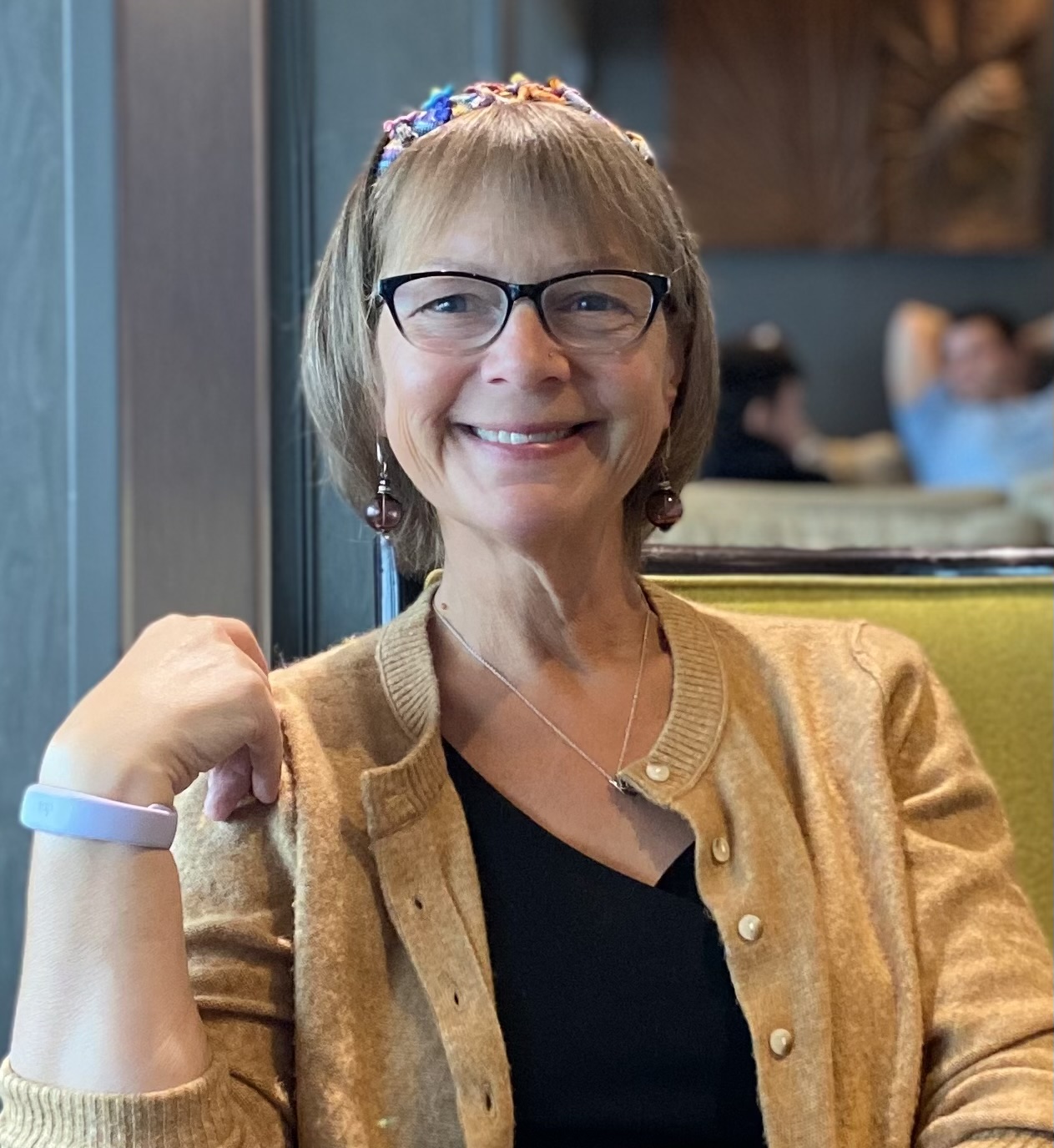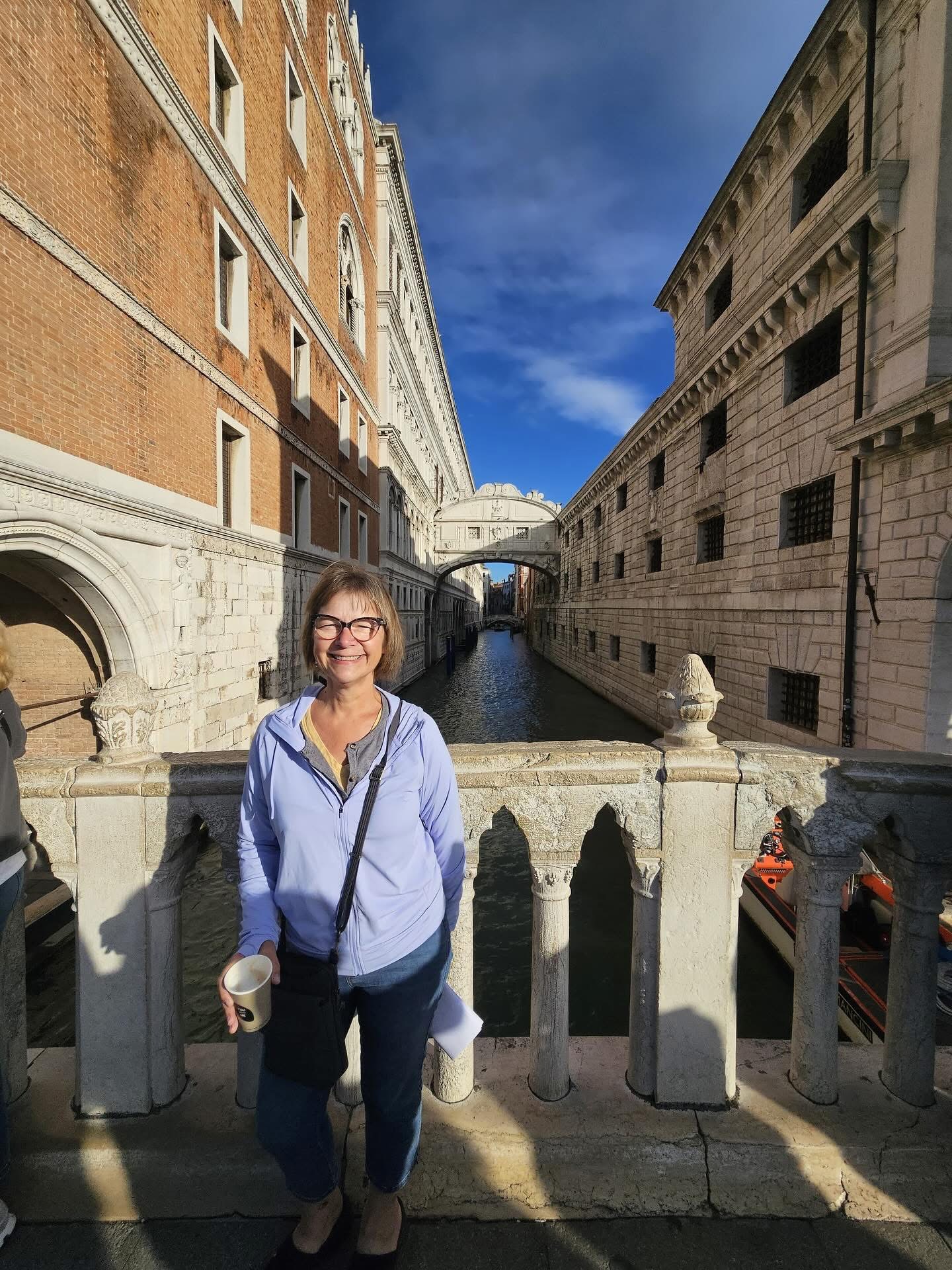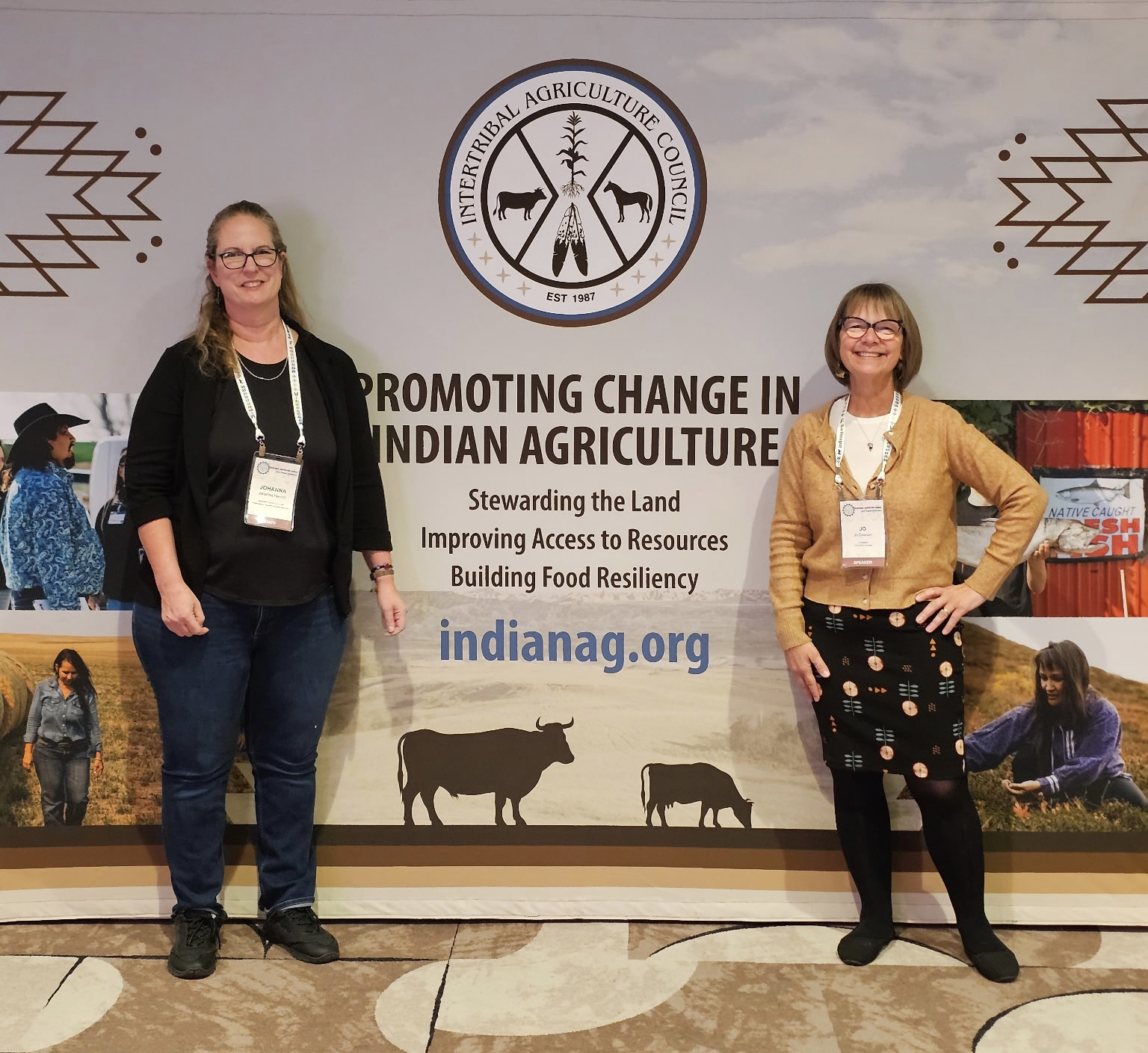





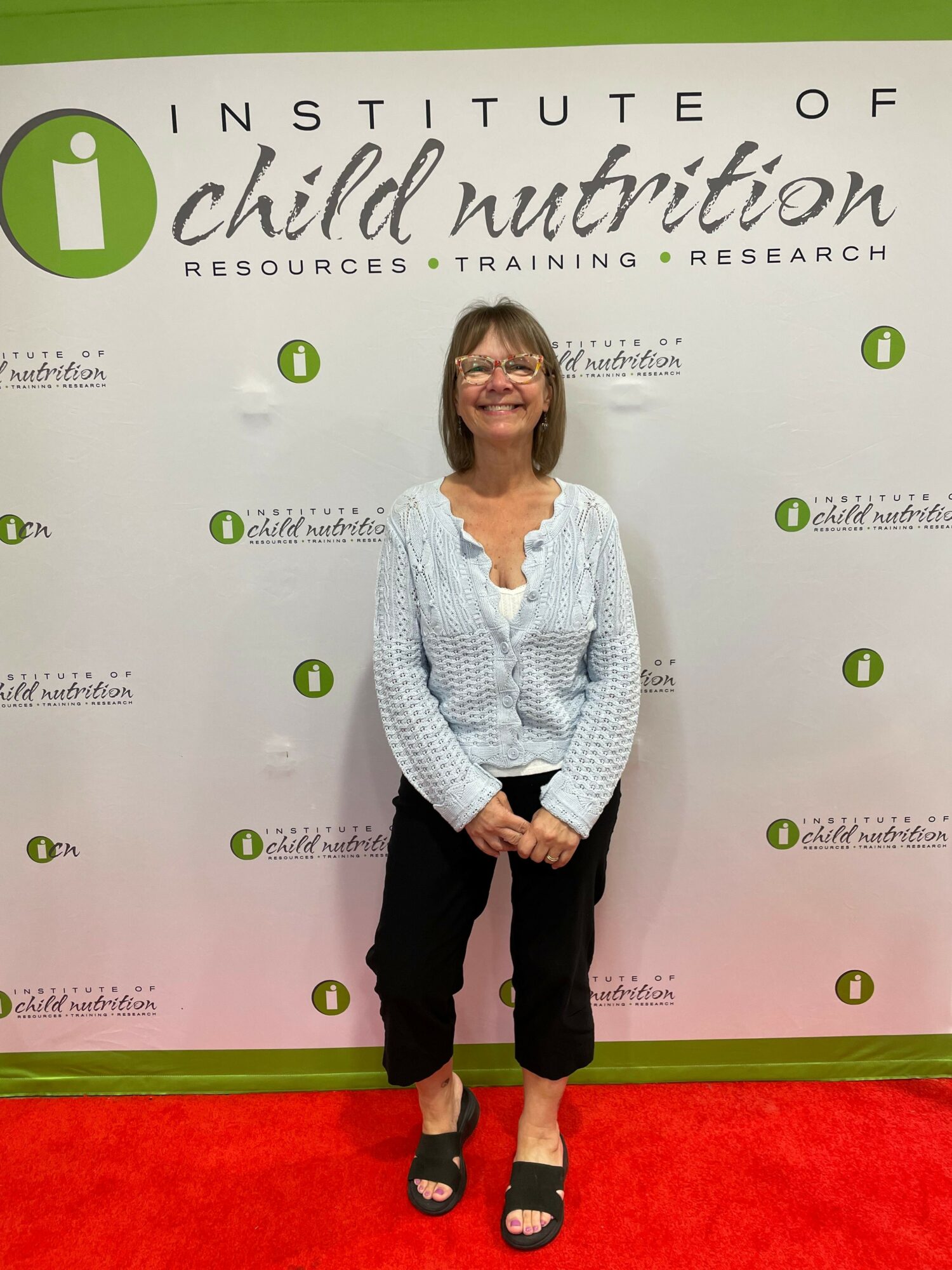
Today we’d like to introduce you to Jo Dawson.
Jo, we appreciate you taking the time to share your story with us today. Where does your story begin?
I was born and raised in Alaska, and some of my earliest memories are of summers spent on my grandparents’ fishing boat, the Valkerie, in Sitka. Those days were a mix of saltwater, diesel engines, and the steady rhythm of work — hauling lines, cleaning fish, and learning how every part of a community depends on people who show up for one another. When we weren’t on the boat, I was out gathering berries for jam, learning patience, resourcefulness, and the joy of making something from what the land gives you.
My dad was a State Trooper, so we moved often and lived all across Alaska — from tiny fishing villages to communities above the Arctic Circle that you can only reach by plane. Each place had its own culture, its own challenges, and its own way of taking care of its kids. Growing up that way taught me how to adapt quickly, build relationships wherever I landed, and understand that “community” looks different everywhere but matters just the same.
My mom worked for Alaska Airlines, which meant that even though we lived in one of the most remote states in the country, I grew up with the gift of travel. Seeing the world beyond Alaska gave me perspective, but it also made me appreciate the resilience and creativity of the communities back home. Those experiences — the mobility, the exposure, the contrast — shaped my sense of possibility and my belief that every child, no matter where they live, deserves access to good food and dignity.
I didn’t set out to work in child nutrition, but looking back, it makes perfect sense. I spent nearly two decades with Alaska’s Child Nutrition Programs, supporting some of the most remote and diverse regions in the country. My work ranged from navigating audits to figuring out how to get food to a school only reachable by boat or bush plane. I managed a $99 million budget and worked with an incredible team, partnering closely with schools, Tribal organizations, childcare programs, and community groups. But the heart of the work was always the same: building relationships — supporting the cooks, directors, and staff who showed up every day to feed kids, often under incredibly challenging conditions.
When my family relocated to Georgia, I carried that mission with me. Today, I work as a Child Nutrition Consultant with national organizations, helping teams interpret federal requirements, strengthen procurement and food safety systems, and build resources that make programs easier to run. My approach is still shaped by Alaska — practical, calm, people first, and grounded in the belief that clarity and compassion go a long way.
Outside of work, my life is rooted in my family — my husband Dan and our daughters, Hero and Hannah — who have been part of every chapter of this journey. I also serve on the board of Georgia Grown Trail 17, supporting agritourism and local producers along coastal Georgia, which has become a meaningful way to stay connected to community and food systems in my new home. And in true “new Georgian” fashion, I’ve become a faithful but hapless gardener, learning the hard way that the soil, the bugs, and the humidity all have their own opinions. It keeps me humble, grounded, and connected to the land in a way that reminds me of home.
I’ve received state and national awards for my work in child nutrition, but the recognition isn’t what defines me. What defines me is the thread that runs from berry picking in Sitka to the school kitchens I support now: a belief that food is connection, that community matters, and that every child deserves nourishment and dignity, no matter how remote or complex the path to get it to them.
Would you say it’s been a smooth road, and if not what are some of the biggest challenges you’ve faced along the way?
One of the biggest challenges in my life has been learning how to build stability while everything around me was constantly changing. Growing up in Alaska, we moved often for my dad’s work as a State Trooper, and I learned early how to start over — new towns, new schools, new communities. That taught me adaptability, but it also meant I had to figure out who I was without relying on a single place to define me. Relationship building became a survival skill long before it became part of my professional identity.
Working in child nutrition — especially in Alaska — meant navigating challenges that required creativity, resilience, and a deep commitment to the communities I served. Many of the districts and organizations supported by the programs I oversaw operated in remote areas accessible only by plane or boat, where weather, supply chains, and transportation could change plans overnight. Ensuring consistent access to safe, nutritious meals often meant finding solutions when traditional systems didn’t apply. There were days when the logistics felt impossible, but the expectation remained the same: kids still needed to eat.
One of the most defining challenges came during the COVID 19 pandemic. When schools across Alaska closed with little warning, my team and I were suddenly responsible for helping districts redesign how children would receive meals without the structure of a school day. The logistics were immense — shifting to emergency feeding models, coordinating with transportation providers, navigating constantly changing federal waivers, and supporting exhausted staff who were trying to serve their communities while managing their own uncertainties. Many communities had no road access, limited storage, and unpredictable shipping schedules, yet the work had to continue. We spent long days and nights helping districts stand up new systems almost overnight, troubleshooting supply chain breakdowns, and maintaining compliance while prioritizing compassion and safety. It was one of the hardest seasons of my career, but also one of the most meaningful.
Relocating to Georgia was another turning point. Leaving the place that shaped me — the landscapes, the culture, the sense of community — was harder than I expected. I had to rebuild my professional identity from scratch, find my footing in a completely different food system, and trust that the skills I carried from Alaska would translate. It took time, humility, and a willingness to start as a learner again.
On a personal level, balancing work, family, and my own sense of purpose hasn’t always been smooth. I’m a mom, a wife, and someone who cares deeply about the people I serve. There were seasons when the work was heavy and the travel was constant, and I had to learn how to set boundaries and protect the parts of my life that matter most — including the simple joys, like trying (and often failing) to keep a Georgia garden alive.
But every challenge has shaped me into someone steadier, more grounded, and more committed to supporting others. The obstacles taught me resilience, empathy, and the importance of meeting people where they are — lessons I carry into every project, every partnership, and every community I serve.
We’ve been impressed with Jo Dawson, Child Nutrition Consultant, but for folks who might not be as familiar, what can you share with them about what you do and what sets you apart from others?
I run a child nutrition consulting practice that helps schools, Tribal organizations, nonprofits, and national partners navigate the complex requirements of USDA child nutrition programs. My work is grounded in a pragmatic, real world approach — shaped by years of serving remote and rural communities in Alaska — and focused on making programs easier, clearer, and more sustainable for the people who feed kids every day.
What I Do
• Compliance & operations: I provide guidance on regulations, procurement, and day to day program operations.
• Tools & training: I develop SOPs, resources, and trainings that simplify federal requirements.
• Audits & corrective action: I support organizations through audits, investigations, and corrective action processes.
• Projects & initiatives: I offer project management and technical assistance for multi stakeholder efforts.
What I’m Known For
I’m known for translating complicated regulations into practical steps that staff can actually use. Even when I oversaw a regulatory office, I kept a strong customer service orientation — treating program operators as valued clients rather than compliance issues. That mindset helped me build trust and long term relationships with agencies who knew I was there to support them, not just enforce rules.
What Sets Me Apart
• Pragmatic mindset: I focus on what will realistically work in the field, not just what looks good on paper.
• Deep regulatory experience: I pair federal expertise with real world operational understanding.
• Calm, approachable style: I help teams feel supported, especially in high pressure situations like audits or emergencies.
• Service oriented leadership: I lead with fairness, clarity, and a genuine partnership mindset.
What I’m Most Proud Of
I’m proud that my work is trusted. Organizations know they can come to me for guidance that is accurate, practical, and grounded in real experience. I’m also proud that, even in crisis — like during COVID 19, when my team and I helped districts redesign emergency feeding systems almost overnight — I never lost that customer service focus or the belief that compassion and compliance can coexist.
What I Want Readers to Know
My consulting practice exists to support the people who nourish children. I help organizations strengthen their systems, understand their requirements, and build programs that are both compliant and compassionate — because every child deserves consistent, dignified access to nutritious meals.
In terms of your work and the industry, what are some of the changes you are expecting to see over the next five to ten years?
More flexible, community responsive feeding models:
Programs are shifting toward models that better reflect how families live and how communities function. I hope to see continued growth in non congregate options for rural areas, hybrid feeding models, expanded summer and afterschool flexibility, and technology supported distribution and tracking.
Greater emphasis on equity and culturally relevant foods:
There is a growing focus on sourcing foods that reflect local cultures, supporting regional producers, designing menus that honor community identity, and addressing food insecurity as a systemic issue — not just a logistical one.
Procurement reform and supply chain resilience:
Procurement is becoming a strategic priority. I expect to see more cooperative purchasing, diversified supply chains, stronger vendor oversight, incentives for local sourcing, and clearer expectations for contract management. These shifts will help programs weather disruptions and better support local economies.
Sustainability and climate aware operations:
Environmental considerations are beginning to influence program design, from food waste reduction to energy efficient equipment, composting and recycling initiatives, sustainable packaging, and climate resilient supply chains. I hope this becomes standard practice rather than an exception.
Integration with whole child wellness:
Child nutrition is increasingly connected to mental health, academic performance, community health, family engagement, and local food systems. I hope to see programs continue to evolve in ways that support the whole child — not just the meal on the tray.
Contact Info: