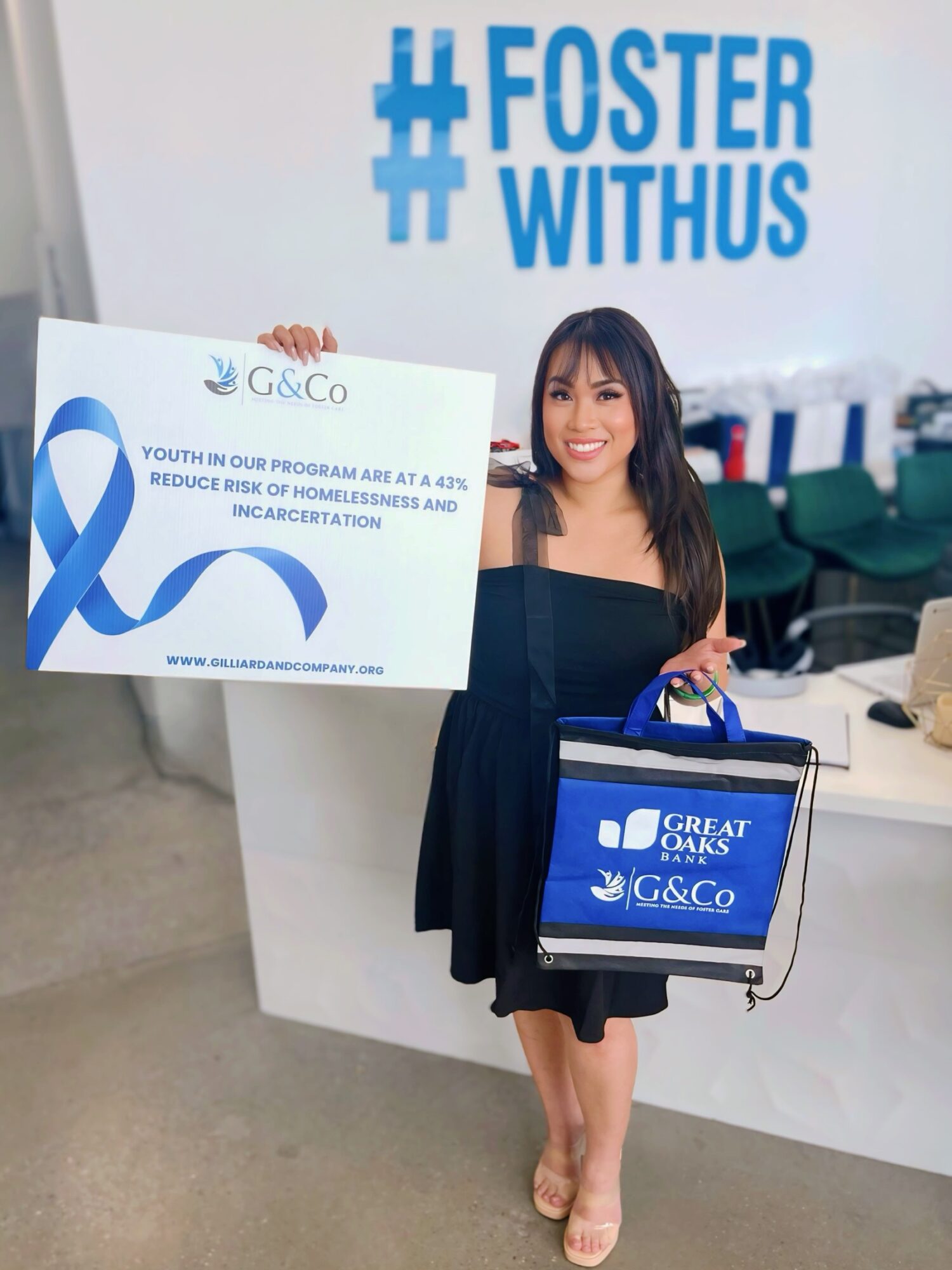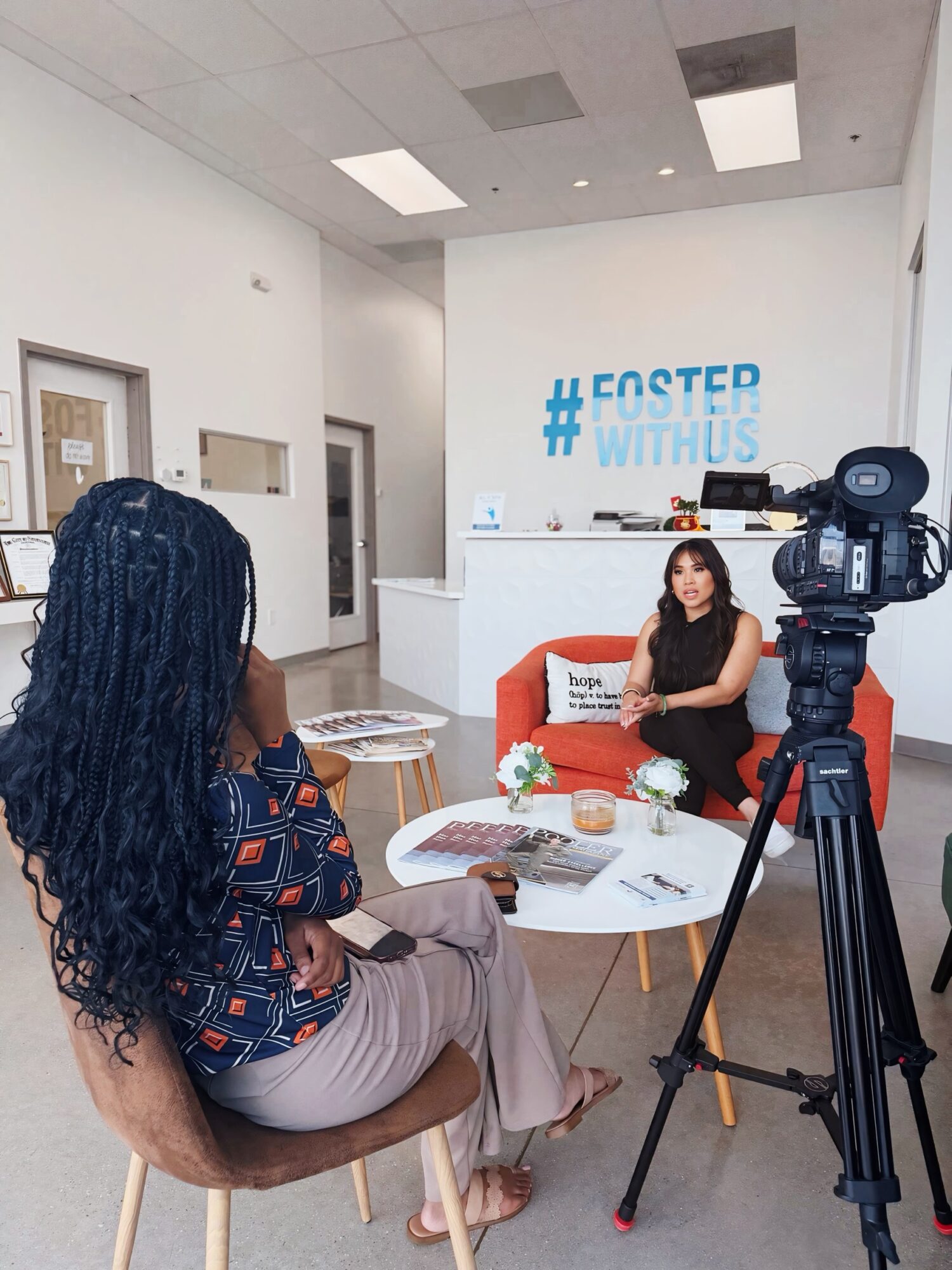






Today we’d like to introduce you to Whitney Gilliard.
Hi Whitney, can you start by introducing yourself? We’d love to learn more about how you got to where you are today?
I grew up in the foster care system. I know what it feels like to be moved, to be uncertain, to sit in rooms where decisions are made about you, not with you. I also know what it feels like to age out of a system that prepares you to survive—but not always to succeed.
That lived experience never left me. It shaped how I see people, how I lead, and how I build.
When I founded Gilliard and Company, it wasn’t just about creating another program—it was about building what I wish existed when I was younger. A place that doesn’t just provide housing, but creates real independence. A place that treats young people like they have a future worth investing in. A place that holds both accountability and compassion at the same time.
We started with a simple but powerful belief: if you give someone the right environment, the right support, and the right expectations—they will rise.
Today, Gilliard and Company has grown into one of the largest independent living programs in our region, helping young adults transition out of foster care with stability, structure, and purpose. We focus on the things that truly change outcomes—financial literacy, employment, housing stability, mentorship, and emotional support.
But beyond the numbers, what matters most to me are the stories. Watching a young person go from uncertainty to ownership… from surviving to thriving… from “what now?” to “watch me.”
My journey has never been linear. I’ve had to lead through adversity, make hard decisions, and carry the weight that comes with being responsible for lives in transition. But I’ve also learned that leadership isn’t about having all the answers—it’s about being willing to stand in the gap for others, even when it’s hard.
Gilliard and Company isn’t just an organization. It’s a launching pad.
And my story is proof that where you start doesn’t determine where you finish—but what you build from it absolutely can.
Can you talk to us a bit about the challenges and lessons you’ve learned along the way. Looking back would you say it’s been easy or smooth in retrospect?
It has not been a smooth road—and I think it’s important to say that honestly.
Going back into the foster care system as a professional, after living it as a child, is something very few people truly understand. You’re not just doing a job—you’re walking back into spaces that once shaped your survival. There are moments that are triggering, moments that feel heavy, and moments where you’re carrying both your past and your responsibility to others at the same time.
One of the biggest challenges has been navigating the stereotypes that come with being someone who grew up in foster care. There’s often an unspoken doubt—questions about your credibility, your professionalism, your capacity to lead. You’re not just proving your work… you’re proving that your past does not define your limits. And that can be exhausting.
At the same time, I’ve seen how little recognition there is for young adults who have lived through the system and come back to lead, advocate, and build. That perspective is powerful—it brings insight, empathy, and a level of understanding that can’t be taught. But it’s not always valued the way it should be.
There have also been the everyday challenges of leadership—making difficult decisions, being misunderstood, carrying the weight of outcomes that impact real lives. In this work, you don’t get to separate yourself from the mission. It stays with you.
But despite all of that, I wouldn’t change the path.
Because every challenge has reinforced why this work matters. It has made me a stronger leader, a more intentional advocate, and someone who refuses to let the next generation walk the same path without better support.
It’s not easy.
But it’s necessary.
Can you tell our readers more about what you do and what you think sets you apart from others?
At the core of my work, I build systems that help young people transition out of foster care into real independence—not just placement, but permanence.
As the CEO and Program Director of Gilliard and Company, I specialize in independent living programming for youth ages 18–21. That includes housing stability, financial literacy, employment readiness, life skills development, and mentorship. But what truly defines our work is how we do it—we don’t operate from a place of maintenance, we operate from a place of momentum. Every young person in our program is treated like they are building a life, not just completing a requirement.
I’m known for being both compassionate and direct. I believe in meeting young people where they are, but also holding a standard for where they’re going. That balance—of empathy and accountability—is what drives real outcomes. I’m also known for building structure. Systems, expectations, communication—those are the things that turn good intentions into measurable success.
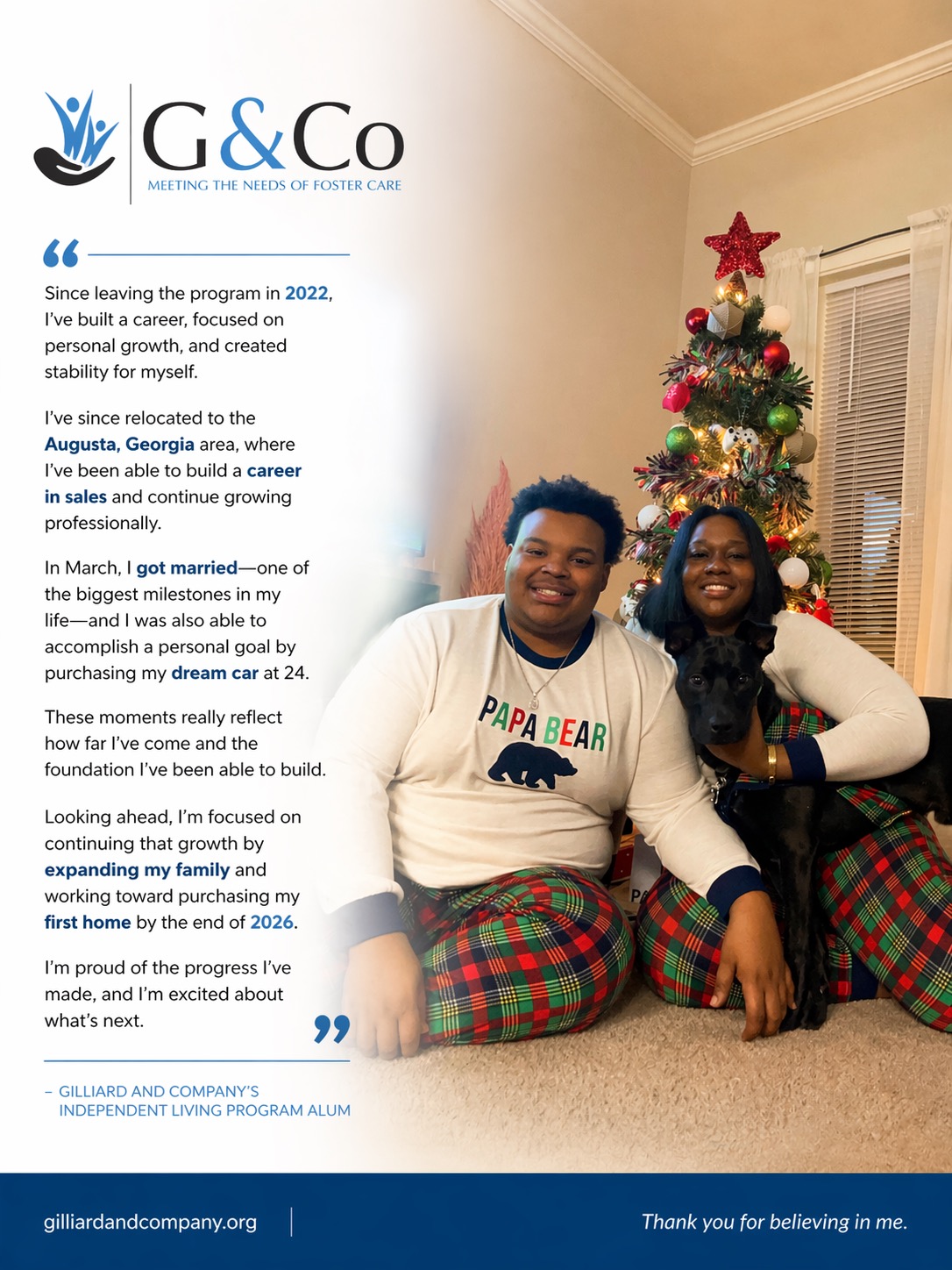
What I’m most proud of are the lives that look completely different on the other side of our program. Young adults who came in uncertain and left with stability, careers, savings, and a vision for their future. Seeing someone go from surviving to thriving—that’s the work.
What sets me apart is that I don’t lead this from theory—I lead it from lived experience. I’ve been the young person in the system, and now I’m the one responsible for changing how that system feels and functions for others. That perspective allows me to see gaps others may miss and to build solutions that are both practical and deeply human.
Gilliard and Company isn’t just a program—it’s a launching pad. And I’ve built it to make sure that where someone starts does not limit where they can go.
We’d love to hear about any fond memories you have from when you were growing up?
One of my favorite childhood memories is actually something very simple—but it stayed with me my entire life.
While I was in foster care, I was gifted a Build-A-Bear one Christmas by my Guardian ad Litem, Perry Garson. At the time, it may have seemed like just a small gift, but to me, it meant everything. It was a moment where I felt seen, considered, and cared for in a way that was deeply personal.
I still have that teddy bear today.
In a system that can often feel transactional, that moment reminded me that there are people who truly show up with heart. It showed me the power of having a compassionate and intentional advocate—someone who doesn’t just do the role, but feels the responsibility of it.
That memory has stayed with me, not just as something I cherish, but as something I try to recreate for the youth I serve today. Because sometimes, it’s the smallest gestures that leave the biggest impact.
Contact Info:
- Website: https://www.gilliardandcompany.org