




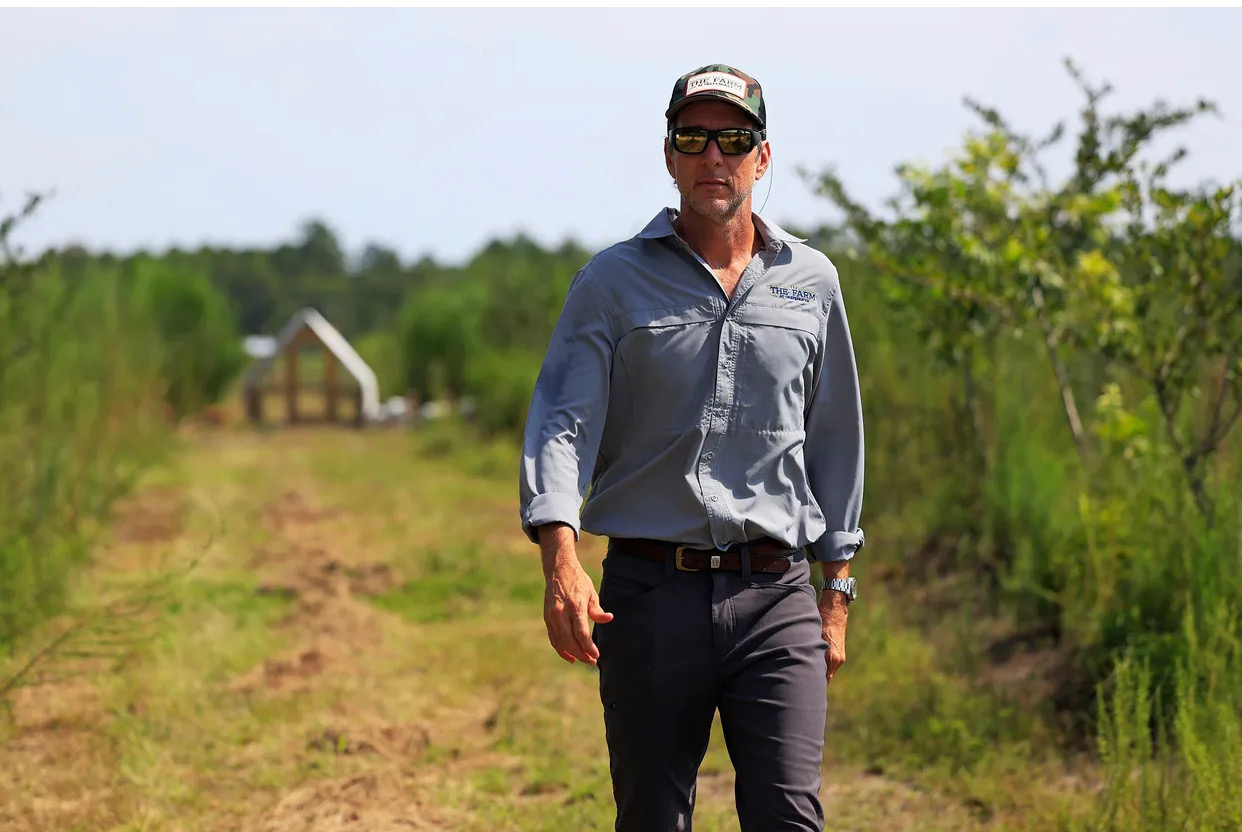
Today we’d like to introduce you to Doug Davis.
Hi Doug, can you start by introducing yourself? We’d love to learn more about how you got to where you are today?
When I look back on how I got here, there’s a clear thread that runs through it—even if I didn’t fully appreciate it at the time.
My background has been in real estate development and construction, but more specifically, I’ve always been drawn to a conservation-based approach to development. Early in my career, I was heavily influenced by the book Design with Nature, which really reframed how I thought about land—not as something to impose upon, but as something to work within.
That idea stayed with me.
In practice, it meant approaching development with a sensitivity to the natural systems already in place—topography, water flow, vegetation—and thinking about how what we build can complement, rather than compete with, those systems.
I spent years developing projects within that framework, and it was a meaningful progression. But over time, I began to feel like there was still something missing. We were designing around nature—but we weren’t necessarily integrating into a living, productive system. We weren’t addressing food, or long-term resilience, or the deeper connection between people, land, and community.
That realization became more pronounced around 2021. At that point, I had stepped away from my previous firm and was in a position to think more intentionally about what I wanted to build going forward.
Around that same time, I reconnected with and old friend – Jeff Meyer.
What was immediately clear is that we were coming from different backgrounds, but were aligned in a very fundamental way. We shared a belief that there was an opportunity—and really, a need—to create something that went beyond traditional development.
Jeff brought a deep passion for agriculture, food systems, and land stewardship. I brought a background in development, construction, and execution, along with my own journey of health, wellness and longevity practices.
And The Farm at Okefenokee really emerged at the intersection of these paths.
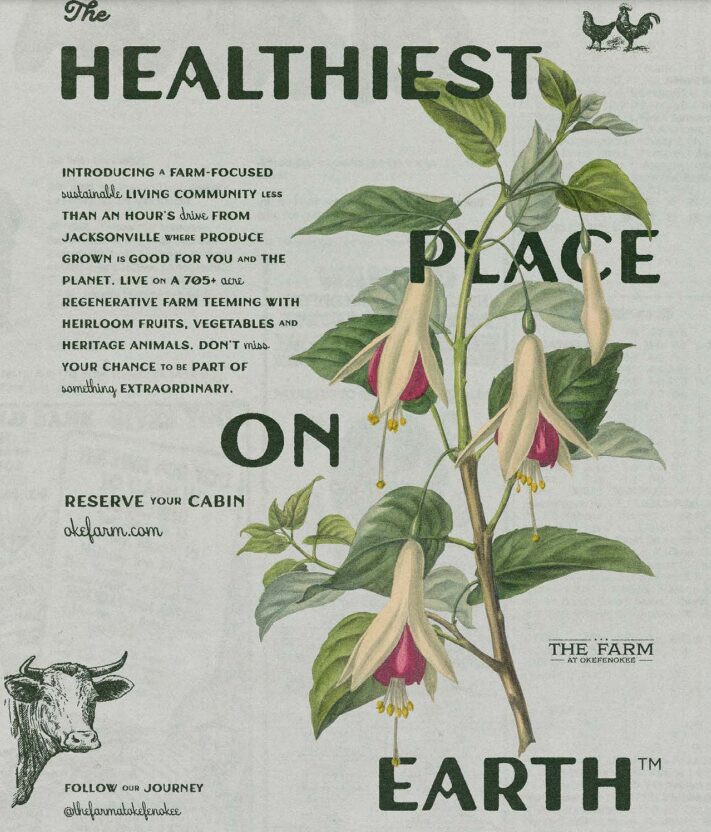
It wasn’t something we forced—it was something that took shape out of shared interests, complementary skill sets, and a mutual conviction that we could build something that hadn’t really been done before. From the beginning, the vision was to create more than a residential community. We wanted to build a living, working farm—a place where:
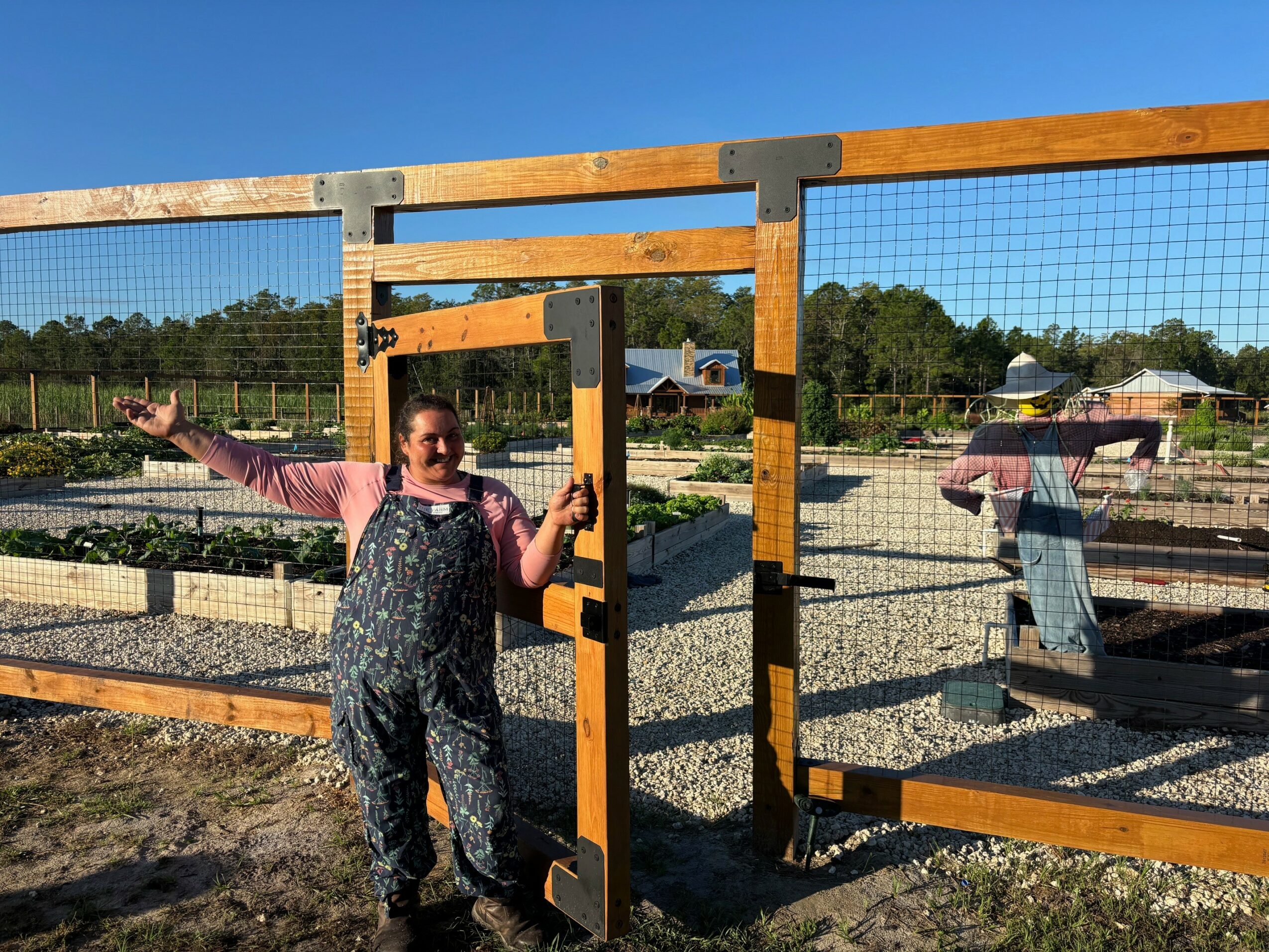
-Food is actively grown and harvested
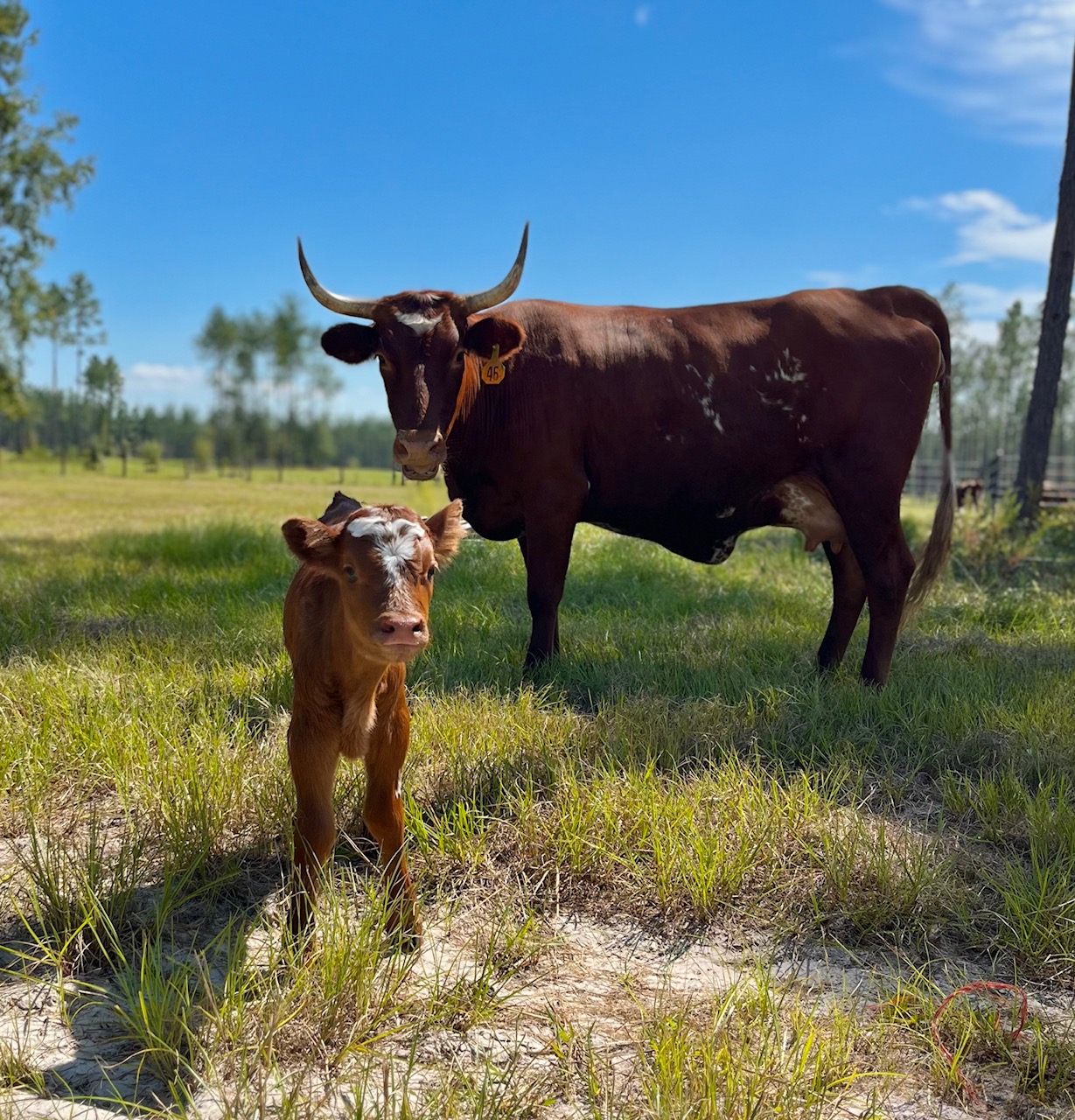
-The land is stewarded in a regenerative way
-And people can participate in a system that is both functional and meaningful
Today, that vision is no longer theoretical.
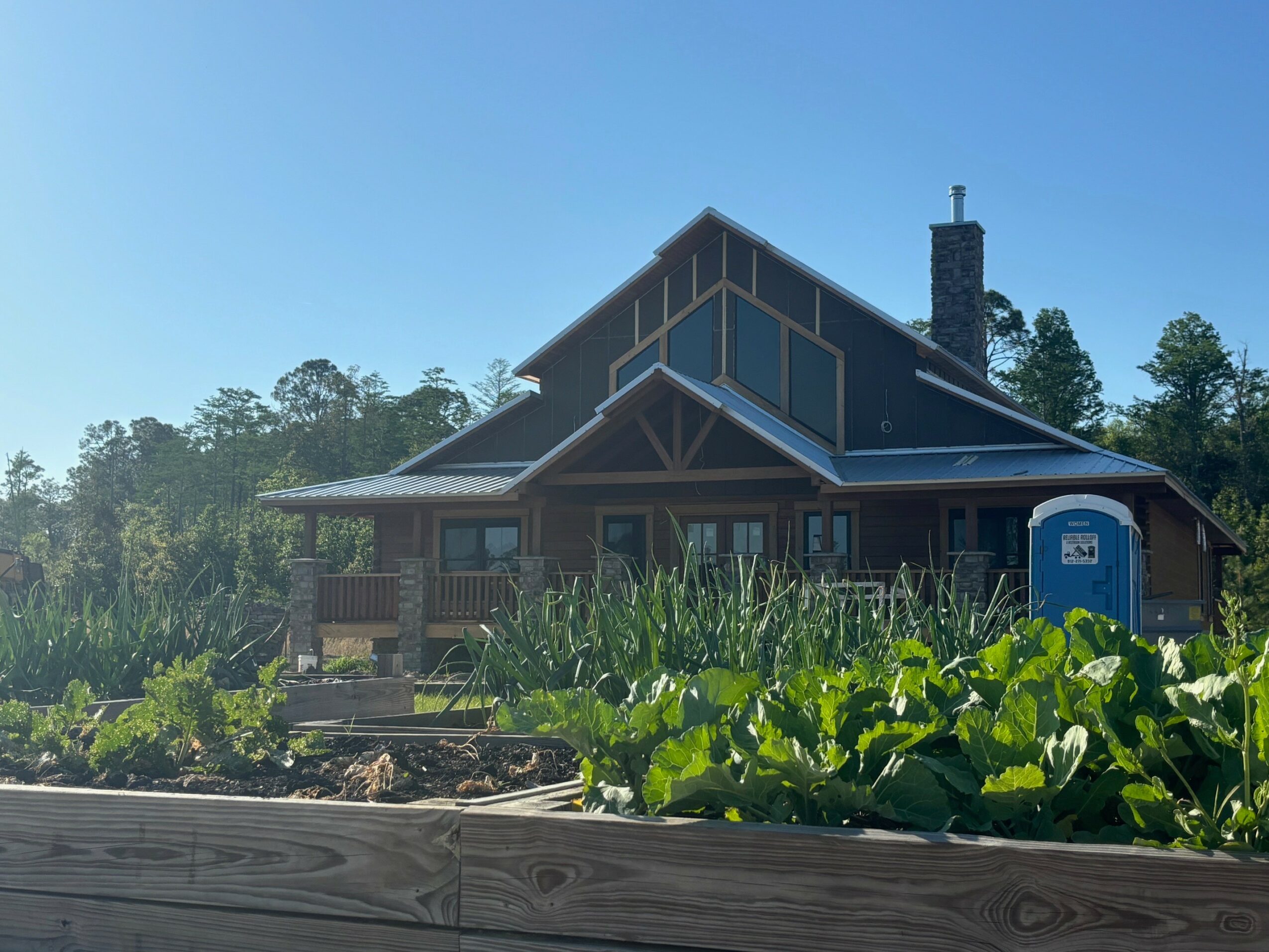
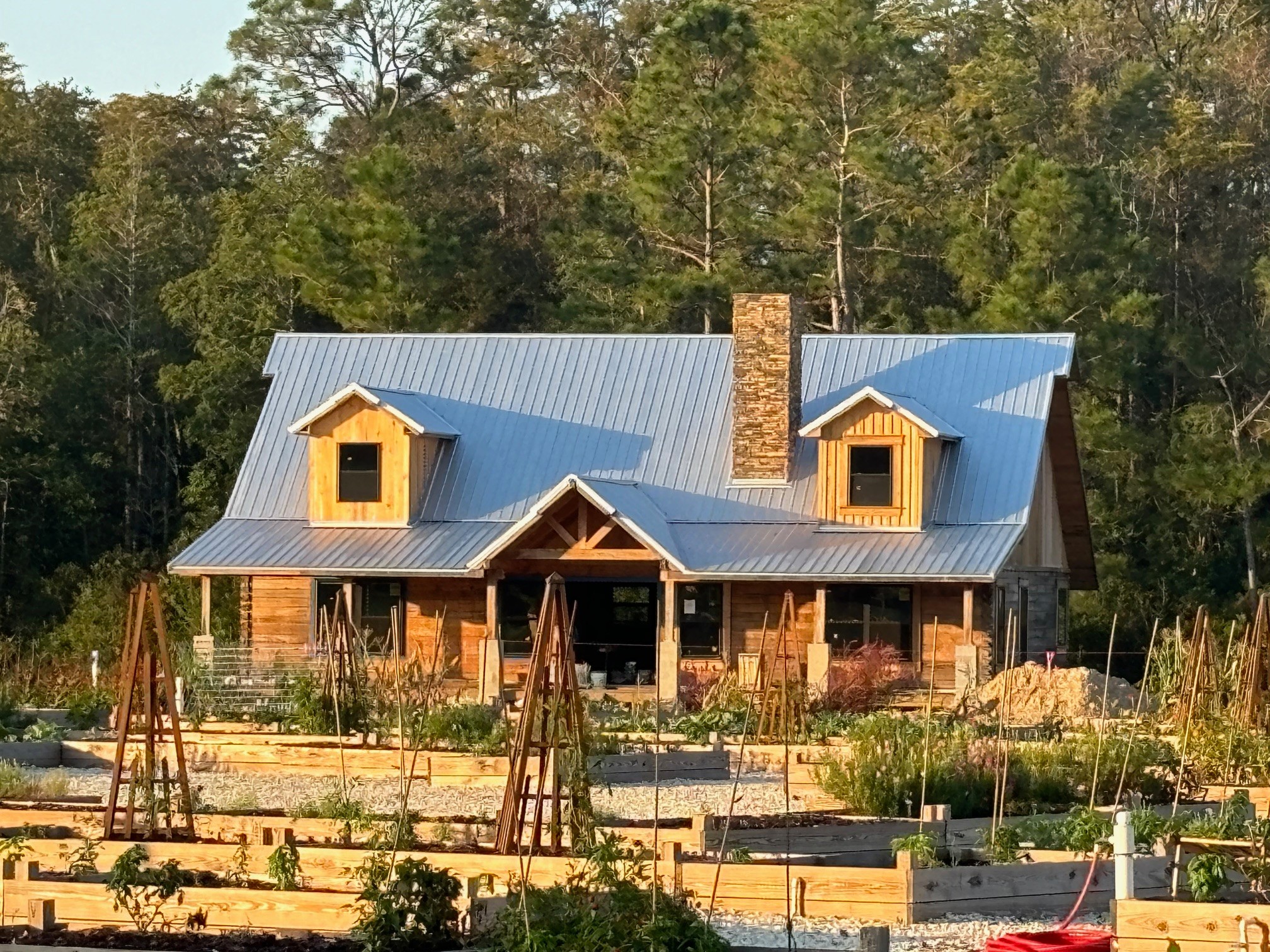
We have families living on the land.
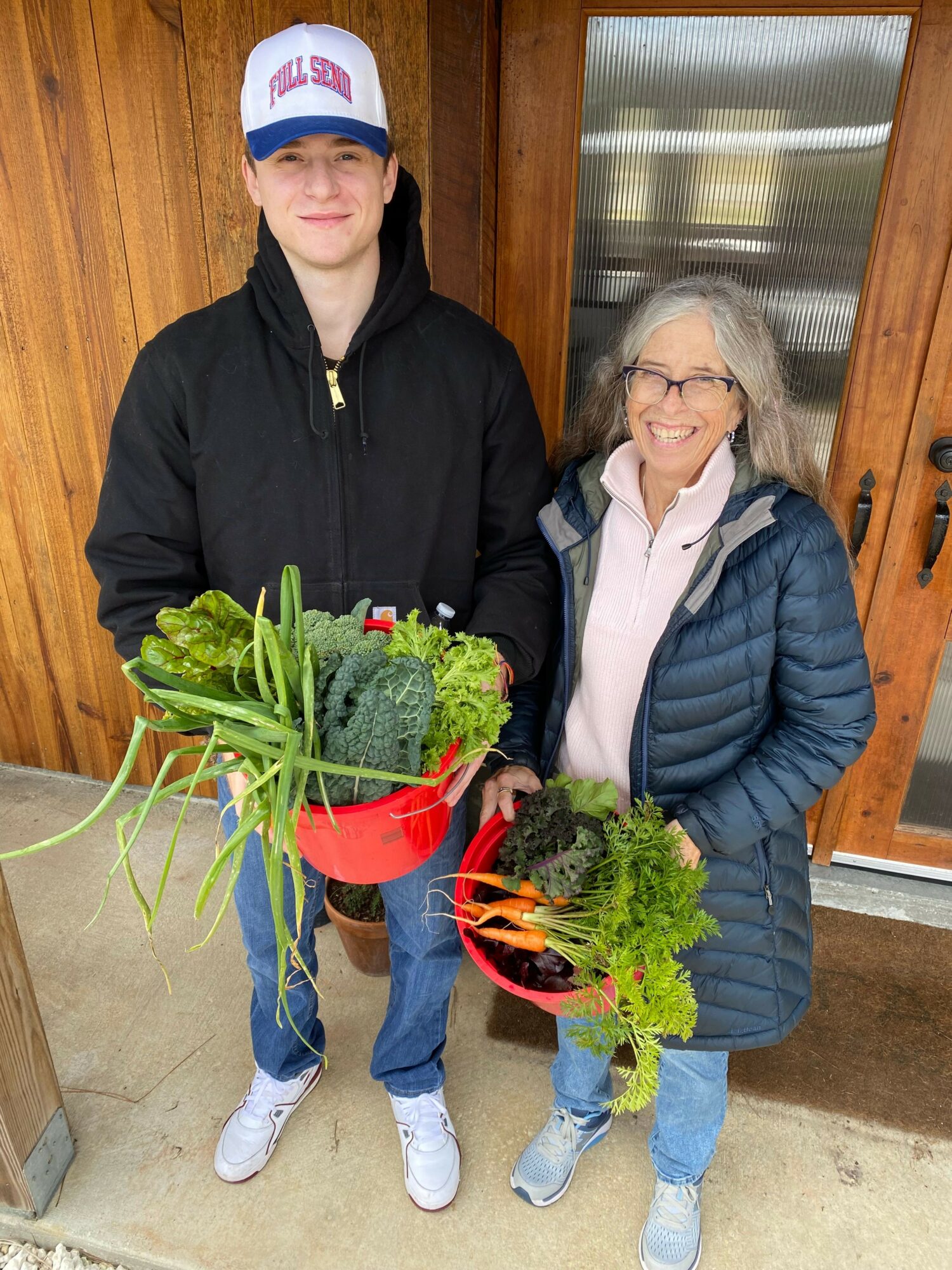
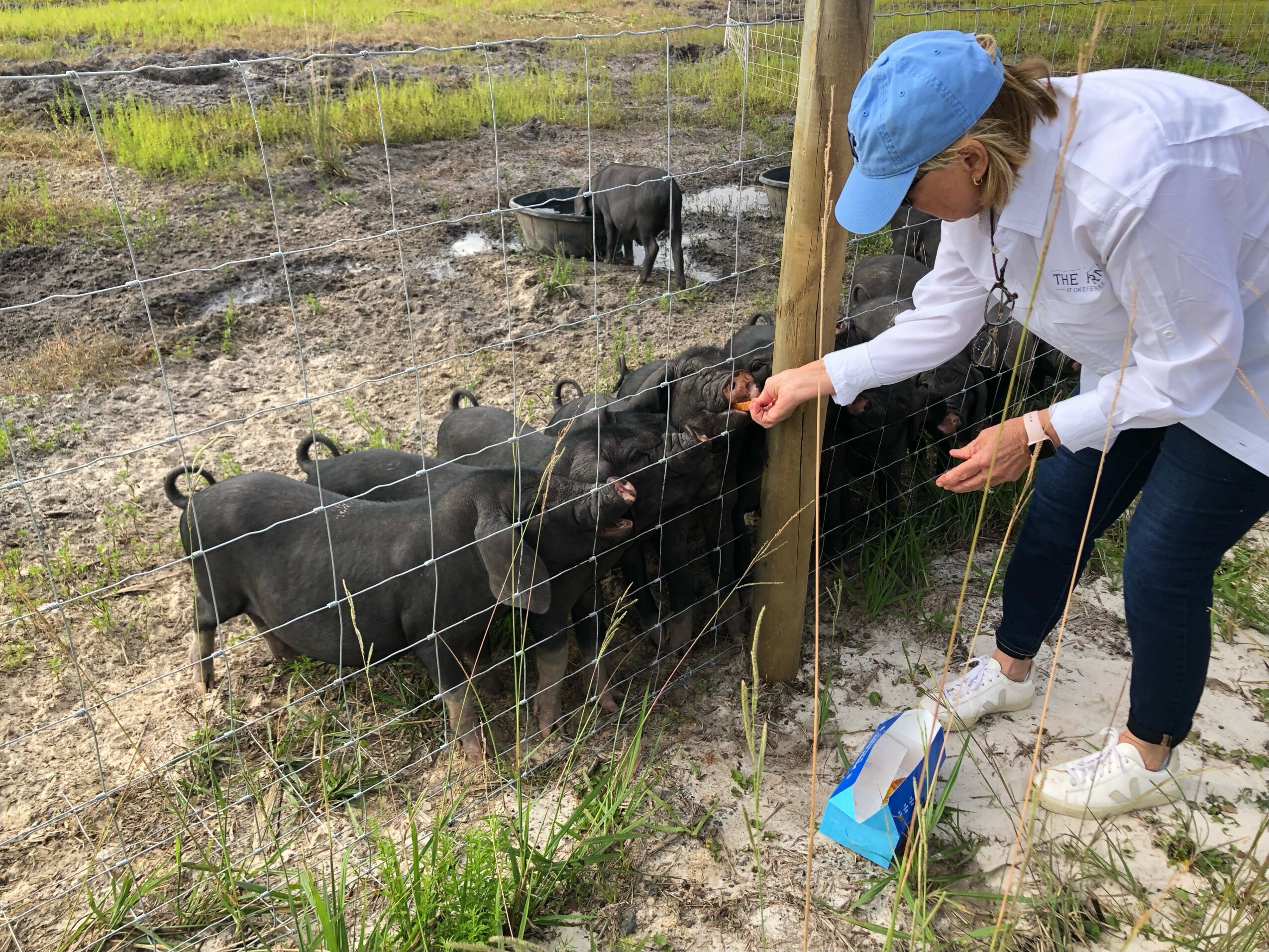
We have agricultural production underway.
We have a community that is beginning to take shape.
And at the same time, we’ve learned a lot along the way.
There have been challenges—operationally, financially, and in how we’ve brought the project to market. But those challenges have helped refine both the product and the way we communicate it.
What I would say now is that we’re in a much more mature phase of the project. The vision is the same—but our ability to execute it, and to guide people into it, has evolved significantly.
If I had to summarize our journey, I would say this:
It started with a belief in building in harmony with nature.
It evolved into a desire to integrate people into a living system.
And through the partnership with Jeff, it became something real—something that continues to grow and refine itself over time.
Alright, so let’s dig a little deeper into the story – has it been an easy path overall and if not, what were the challenges you’ve had to overcome?
It hasn’t been a smooth road—and I don’t think it was ever meant to be.
What we’re building doesn’t really have a direct precedent, at least not at this scale. We’re not just developing land, and we’re not just operating a farm—we’re trying to integrate the two in a way that functions as a living system. Because of that, there isn’t a playbook you can follow.
In many ways, we’re figuring it out as we go.
That can be both exhilarating and, at times, uncomfortable. There are moments where things come together in a way that feels incredibly aligned—and there are other moments where you realize something didn’t work the way you expected it to.
We’ve made mistakes along the way. That’s inevitable when you’re building something new. But one of the things that has been important to us from the beginning is being honest about that—both with ourselves and with the people who have chosen to be a part of this.
Our owners have placed a great deal of trust in the vision, and we take that seriously. When something isn’t working, we don’t try to hide it. We talk about it, we adjust, and we improve.
There have also been more practical challenges—timing, infrastructure, and the realities of developing something that is both operational and experiential at the same time. It’s not like building a traditional neighborhood where everything is predefined and linear. The Farm evolves in phases, and each phase informs the next.
But in a way, that’s also what makes it meaningful.
This isn’t about creating something perfect from day one. It’s about creating something real—something that can grow, adapt, and improve over time.
And the people who are drawn to The Farm tend to understand that. They’re not looking for something overly polished or static. They’re looking to be part of something that’s alive.
Alright, so let’s switch gears a bit and talk business. What should we know about your work?
I don’t think of myself as an artist in the traditional sense, but I do think of what I do as creative work.
My medium just happens to be land.
Over the course of my career, I’ve specialized in real estate development and construction, with a focus on conservation-based design—thinking about how what we build can work in harmony with the natural systems that are already there.
But over time, my work has become much more personal than that.
A lot of what I’m building today is really an extension of the things I care most about in my own life.
I love to cook. I play guitar and spend time making music. I’ve always been drawn to architecture—not as a profession, but as a student of it. I enjoy fishing and hunting. And at the center of all of it is my family and my faith.
Those aren’t separate from the work—they’ve actually shaped it.
The Farm at Okefenokee is, in many ways, where all of those things come together.
It’s a place where food isn’t just consumed, it’s grown and shared.
Where evenings naturally turn into conversations, music, and community.
Where the land itself invites you to slow down—whether that’s fishing, walking, or simply being present.
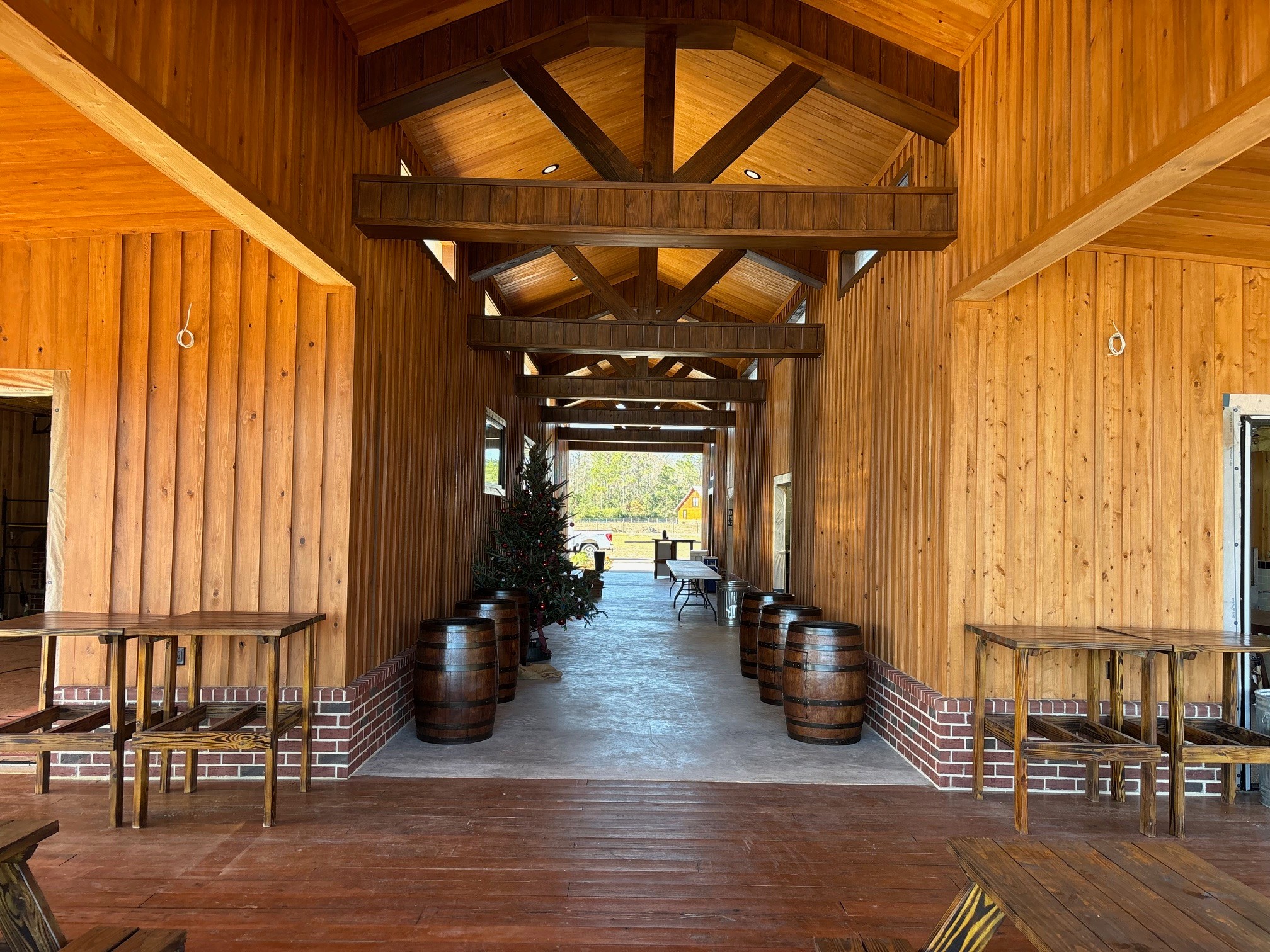
And from a design standpoint, it’s influenced by a deep appreciation for architecture that feels rooted—structures that belong to the land rather than sit on top of it.
So while I’m not an artist in the traditional sense, I do think there’s a creative process in bringing all of those elements together into something that actually works in the real world.
It’s not just about designing buildings or selling homes—it’s about shaping an environment where a certain kind of life can take place.
What I’m most proud of is that it’s no longer just an idea.
There are families living there.
There’s food being produced.
There’s a rhythm to the place that’s starting to emerge—one that reflects many of the things I’ve cared about for a long time.
As far as what sets me apart, I think it’s the ability to move between two worlds that don’t always overlap.
On one hand, I’m very grounded in execution—development, construction, financing, getting things built.
On the other hand, I’m motivated by something more personal—creating a place that reflects values like stewardship, connection, and intentional living.
And I think when those two things come together, you end up with something that feels different—not because it’s trying to be, but because it comes from a very real place.
Is there anyone you’d like to thank or give credit to?
There’s no question that what we’re building wouldn’t exist without a number of people playing important roles along the way.
First and foremost, Jeff—my business partner and co-founder—deserves a tremendous amount of credit.
The Farm really emerged from the intersection of our two backgrounds and perspectives. Jeff brings a deep passion for agriculture, food systems, and land stewardship, while my background has been in development and construction—how to actually bring something like this to life. That combination has been foundational.
But if I go further back, two people who had an outsized impact on me—and really shaped how I think about development—are Paul and Jerome Fletcher.
They were brothers, and together, they were an unstoppable force.
Paul was the artist and the conservationist. He had an incredible ability to see the land for what it was and what it could become, and he reinforced—really brought to life—the ideas embodied in Design with Nature. He helped me understand that development isn’t about imposing something onto the land, but about working with it.
Jerome, on the other hand, had one of the most incredible financial minds I’ve ever been around. He taught me how to structure deals, how to think about financing, and how to operate with discipline and clarity. There was a level of precision and rigor in how he approached business that had a lasting impact on me.
What was unique is that they didn’t operate in isolation—those two perspectives worked together. You had creativity and conservation on one side, and financial structure and execution on the other.
And in many ways, I’m a direct beneficiary of that.
I was fortunate to spend a significant part of my career working alongside them, and a lot of what I do today is shaped by that experience.
Beyond that, we’ve been fortunate to build a team around The Farm that continues to strengthen the vision. And then there are our owners. The early owners, in particular, took a leap of faith before much of this was fully realized. Their belief, feedback, and engagement have helped shape the community in a very real way.
If I step back, what stands out is that this has never been an individual effort. It’s been shaped by mentors who influenced how I think, partners who helped bring the vision to life, a team that continues to execute, and owners who are now part of the story.
Pricing:
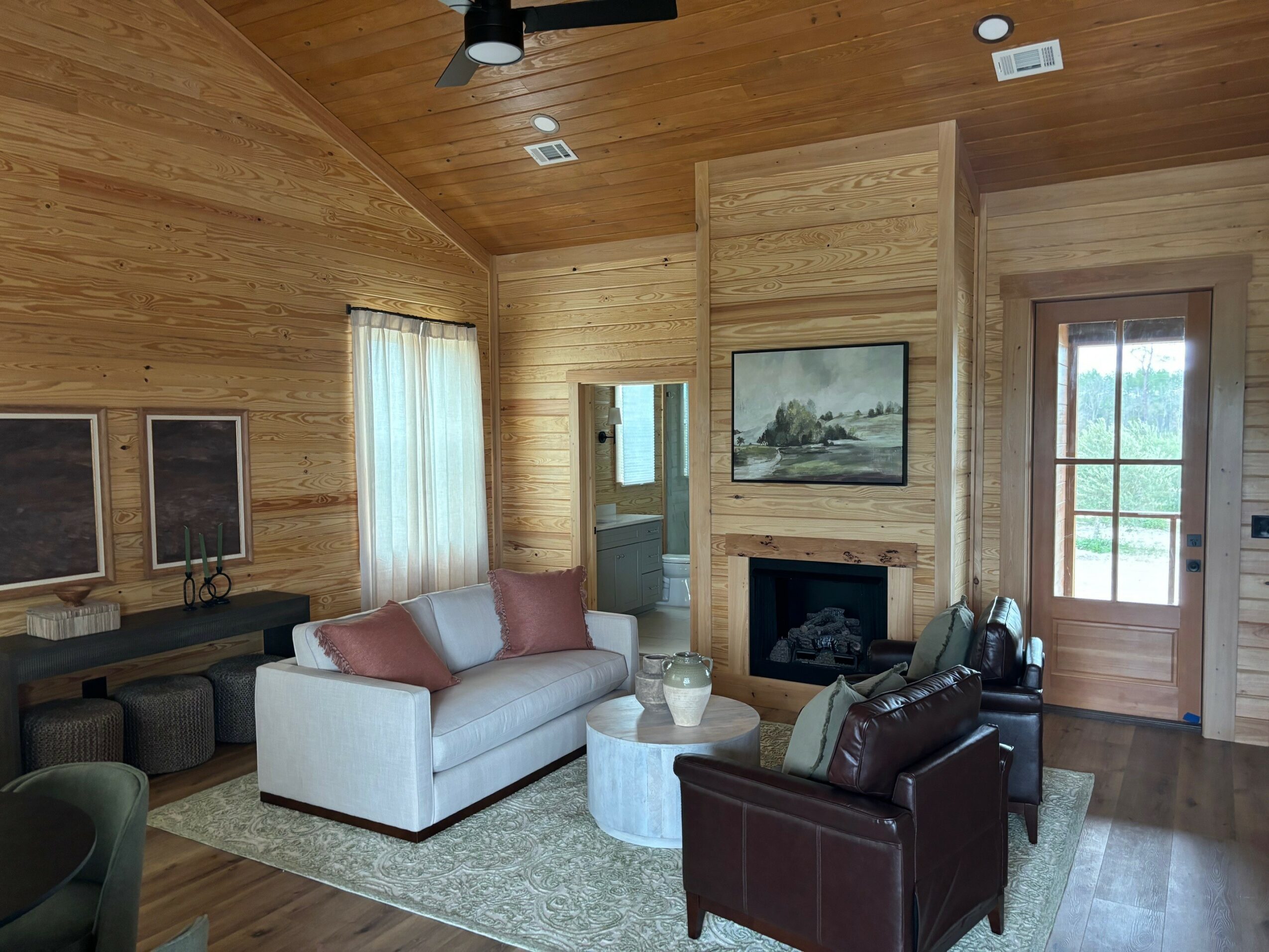
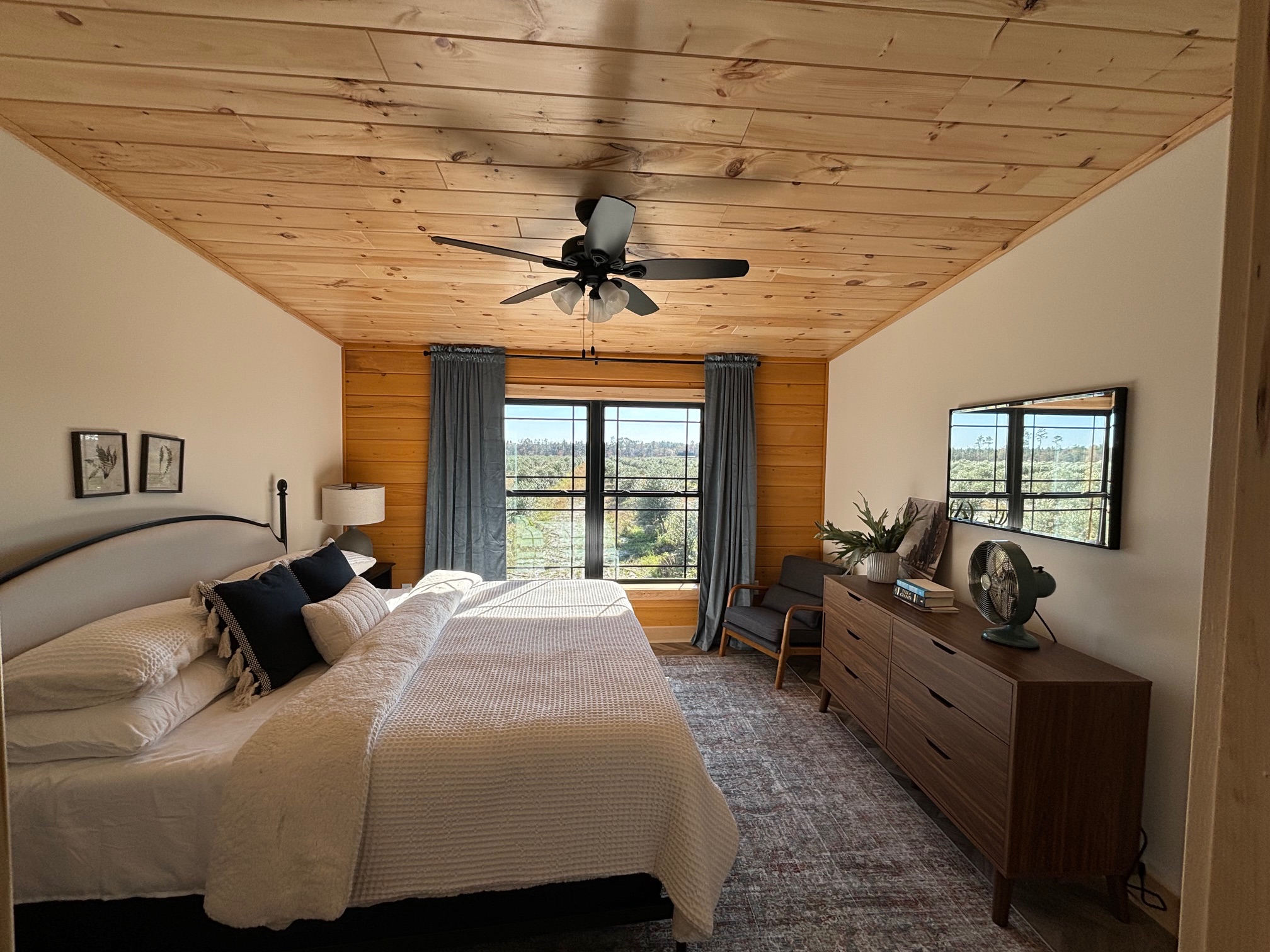
- Ownership at The Farm begins at $399,000 for a fully integrated cabin and homesite, including appliances, a generator, and everything you need to begin enjoying life on the farm from day one.
Contact Info:
- Website: https://www.okefarm.com
- Instagram: @thefarmatokefenokee
- Twitter: @FarmOkefenokee
- Youtube: @TheFarmatOkefenokee