



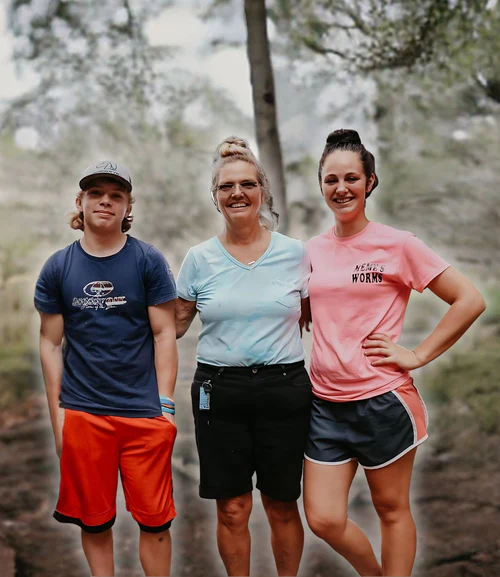
Today we’d like to introduce you to Samantha Flowers.
Hi Samantha, thanks for joining us today. We’d love for you to start by introducing yourself.
From Laundry Room to Legacy: How Meme Built a Worm Farming Movement
Hi, I’m Samantha — but most people know me as Meme.
If you had told me years ago that I’d be running a commercial worm farm, shipping worms all over the country, and teaching thousands of people how to start their own bins… I probably would have laughed. Not because I didn’t believe in hard work — but because worms weren’t even on my radar.
This all started with something simple: time with my grandson.
It Started with Fishing
My grandson Kyler and I loved to go fishing together. Like a lot of folks, we’d stop and buy bait before heading out. But over time, I got frustrated. The worms we were buying weren’t always healthy, and sometimes we couldn’t find what we needed at all.
So I thought — how hard could it be to raise our own?
That one question changed everything.
I started small. Just a little setup in my laundry room. No big plan. No business model. Just a grandma trying to make sure she had good worms for fishing trips.
But worms have a way of multiplying — and so do opportunities.
Growing Something Bigger Than I Expected
What started as a small project quickly grew. I moved from the laundry room to the back porch, then into a hoop house. Before long, I realized this wasn’t just a hobby anymore — it was something real.
At the time, I was still working a corporate job. So I was building this business in the early mornings, late nights, and weekends. It wasn’t easy, but I believed in what I was doing.
Eventually, I had to make a choice.
I chose the worms.
Learning the Hard Way
I always tell people this: I’ve probably killed more worms than most beginners will ever own.
And that’s not something I’m proud of — but it’s the truth. Every mistake taught me something. About bedding. About moisture. About feeding. About how worms really behave in the real world — not just what you read online.
That hands-on experience is what built Meme’s Worms.
Not theory. Not guessing. Real systems, tested over time.
The Shift That Changed Everything
When the pandemic hit, everything shifted.
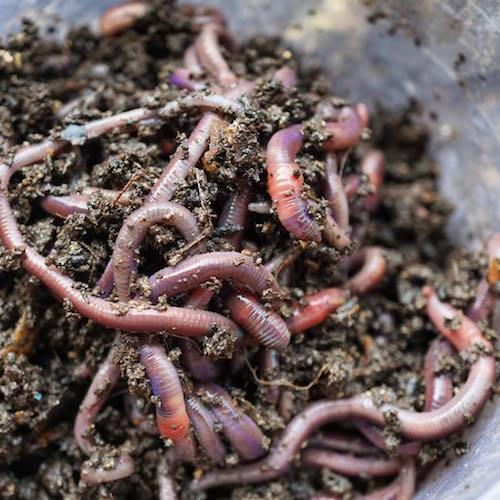
People started paying more attention to sustainability, gardening, and reducing waste. That’s when composting worms — especially red wigglers — really took off.
I had already been working with European Nightcrawlers, but I pivoted and expanded into composting worms. That decision changed the direction of my business in a big way.
We grew fast after that.
More space. More systems. More people to help.
Eventually, we moved into a warehouse and built out large-scale operations. Today, this is a family-run business, and that means everything to me.
What Most People Don’t Understand About Worm Farming
A lot of people think worm farming is simple.
And it can be — on a small scale.
But when you’re raising worms commercially, it becomes a completely different world. You’re managing moisture, temperature, bedding materials, feeding schedules, harvesting systems, and shipping logistics — all at once.
And worms are sensitive.
They’ll tell you real quick if something’s off.
That’s why I focus so much on education. Because I don’t want people to go through the same trial-and-error I did without guidance.
Why I Teach What I Know
Over the years, people started asking questions.
“How do I start a worm bin?”
“What do I feed them?”
“Why are my worms dying?”
And I realized — there’s a real need for simple, honest, experience-based information.
Not hype. Not shortcuts. Just real answers.
So I started teaching.
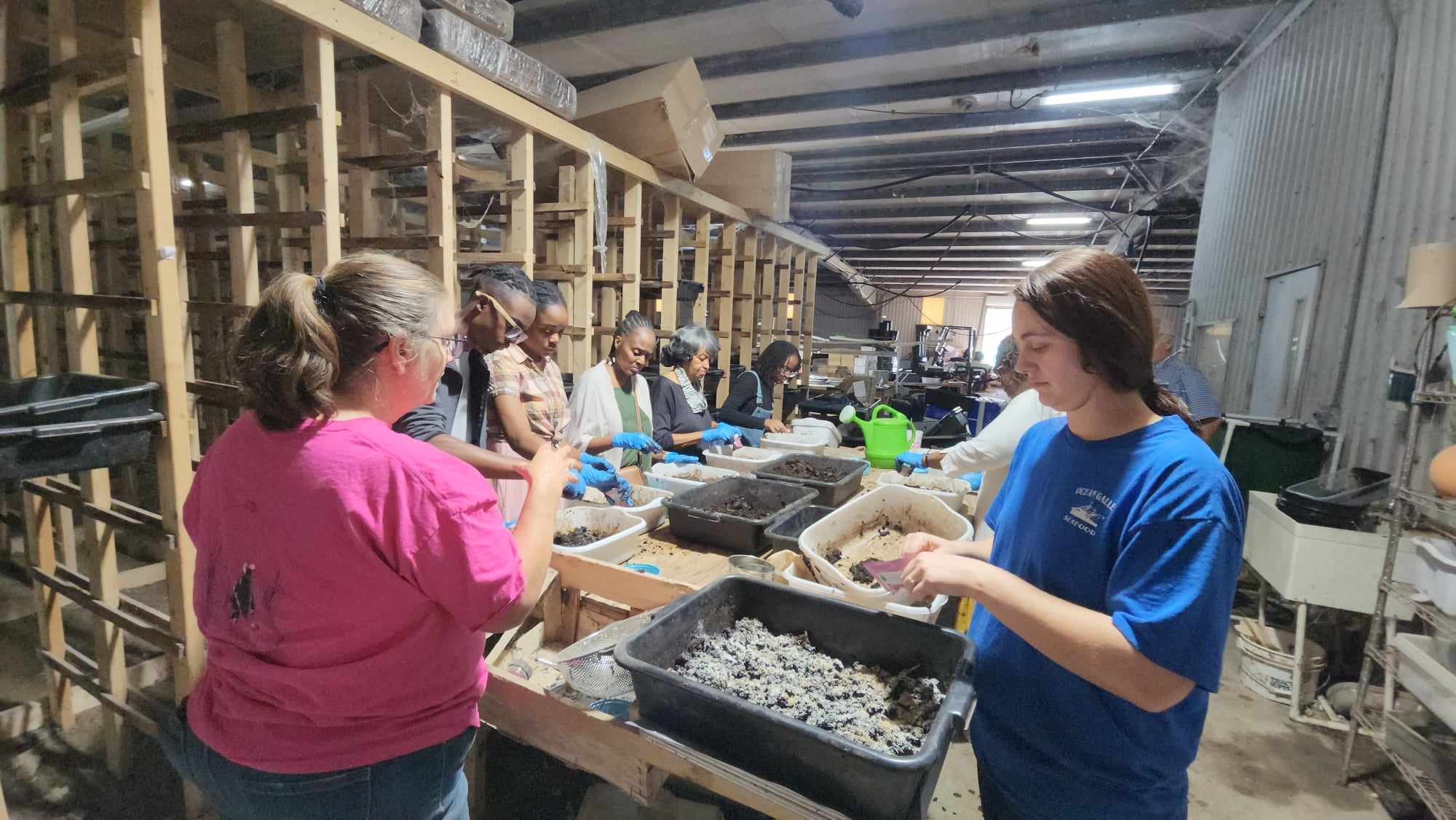
Now I help beginners, hobbyists, and even commercial growers build systems that actually work — whether they’re composting kitchen scraps or trying to build a business of their own.
The Heart Behind Meme’s Worms
At the end of the day, this isn’t just about worms.
It’s about people.
It’s about helping someone start their first bin and feel proud of it.
It’s about giving families a way to teach their kids about sustainability.
It’s about building something from the ground up — even if you’re starting in a laundry room like I did.
And it’s about community.
Because the truth is — none of us figure this out alone.
My Advice to Anyone Starting Something New
Start before you feel ready.
You don’t need to have it all figured out. You just need to take the first step.
You’re going to make mistakes. That’s part of it. But if you stick with it, learn from it, and keep going — you can build something bigger than you ever imagined.
I’m living proof of that.
We all face challenges, but looking back would you describe it as a relatively smooth road?
Not at all — it hasn’t been a smooth road. And honestly, if someone tells you it is, they’re either brand new or they’re not being real with you.
There have been a lot of struggles along the way, and most of them came from learning things the hard way.
In the beginning, I didn’t have a roadmap. I was figuring things out through trial and error — and with worm farming, mistakes can cost you quickly. I’ve had times where I lost worms because the bedding wasn’t right, the moisture was off, or the material I used wasn’t as “safe” as I thought it was. When you’re dealing with living creatures, you don’t get much margin for error.
Scaling the business brought a whole new set of challenges. What works in a small bin doesn’t always work in a large system. Once I started growing, I had to learn how to manage volume — more worms, more feed, more space, and more risk. There were moments where I had to make fast decisions without knowing for sure if they were the right ones.
Shipping has probably been one of the biggest challenges. I’ve been shipping worms for years, but when I started bringing in worms from outside sources instead of only raising my own, I ran into issues I hadn’t dealt with before. Worms that travel differently, bedding they’re used to, stress from transit — all of that affects survival. There were times when orders didn’t arrive the way I wanted them to, and that’s hard when you care about your customers and your reputation.
There’s also the business side that people don’t see. Managing orders, handling customer expectations, dealing with delays, and sometimes having to tell someone you can’t fulfill their order — those are tough conversations. Especially when you’ve built your business on trust.
And then there’s the outside noise. When you start growing and doing things differently, not everyone is going to support you. I’ve had people question what I do, challenge my methods, and even try to discredit me. That part isn’t easy, but it teaches you to stand firm in what you know and stay focused on your work.
But here’s the thing — every struggle taught me something. Every setback made my systems better. Every mistake helped me understand worms — and business — on a deeper level.
So no, it hasn’t been smooth. But I wouldn’t change it, because those hard parts are exactly what built this into what it is today.
Thanks – so what else should our readers know about Memes Worms?
Meme’s Worms is a commercial worm farm, but at its heart, it’s really an education-first business built around helping people succeed with worms — whether they’re starting a small bin at home or trying to build something bigger.
We raise and ship composting worms like red wigglers and European nightcrawlers all over the country, but what makes us different is how much focus we put on what happens *before and after* someone buys worms. I’ve always believed that selling worms without teaching people how to care for them is setting them up to fail — and that’s not something I’m okay with.
What I specialize in is taking what can feel complicated and making it simple.
Worm farming has a lot of noise around it — a lot of conflicting advice, a lot of guesswork. Everything I teach and everything we do comes from real, hands-on experience running a commercial operation. I’m in the beds, working with the worms, testing bedding, adjusting feed, troubleshooting problems — every single day. So when I share something, it’s because I’ve actually done it, not just read about it.
That’s a big part of what sets Meme’s Worms apart.
We don’t chase trends or hype. We focus on systems that work in real life. Whether it’s bedding mixes, feeding routines, or how to prepare worms for shipping, it’s all been tested in our operation. I’ve built proprietary approaches like our bedding and feeding systems because I needed consistency at scale — and now I get to share those methods with others.
Another thing that makes us different is transparency.
I’m very open about the fact that worm farming isn’t always easy. I talk about mistakes, losses, and challenges just as much as I talk about success. That honesty has built a lot of trust with our customers and community, and that means more to me than anything.
As far as what we’re known for — people know us for healthy worms, practical education, and being real. We’ve built a reputation for shipping strong, viable worms and for helping people understand what to do once they get them. That combination is what keeps people coming back.
What I’m most proud of, brand-wise, is the community.
We’ve created something where people feel comfortable asking questions, learning, and even making mistakes without feeling judged. From beginners starting their very first bin to growers scaling up, there’s a place for everyone. Seeing people succeed — that’s the biggest win for me.
If there’s one thing I want readers to know, it’s this:
This business was built from the ground up, one step at a time, with a lot of learning along the way. And everything we offer — whether it’s worms, products, or education — is designed to help others do the same.
You don’t have to start big. You just have to start.
Can you tell us more about what you were like growing up?
Growing up, I’ve always been a worker.
I wasn’t the type to sit still for long. I liked being busy, figuring things out, and doing things with my hands. Even as a kid, I had that mindset of, “How can I make this work?” or “How can I make this better?” I didn’t realize it at the time, but that problem-solving side of me is the same thing I use every day now in my business.
Personality-wise, I’ve always been pretty independent. I don’t mind learning things on my own, and I’m not afraid to try something new — even if I don’t get it right the first time. I think that’s a big reason I was able to stick with worm farming, because there’s a lot of trial and error involved.
I also had a strong sense of responsibility early on. When I committed to something, I followed through. That’s carried into my business today — especially when it comes to customers and making sure I do right by people.
As far as interests, I’ve always been drawn to practical things. I wasn’t focused on anything flashy. I liked things that had a purpose — things that could be built, grown, or improved over time. Looking back, it makes sense that I ended up in something like worm farming, because it’s exactly that. You’re building a system, taking care of something living, and watching it grow into something valuable.
I wouldn’t say I had it all figured out growing up — not even close. But I did have grit. And I think that’s what matters most.
I’ve always been the kind of person who keeps going, even when things get hard — and that’s probably the biggest reason I’m where I am today.
Contact Info:
- Website: https://www.memesworms.com
- Instagram: https://www.instagram.com/memesworms
- Facebook: https://www.facebook.com/
- Twitter: https://x.com/MemesWorms
- Youtube: https://www.youtube.com/@MemesWorms