


Today we’d like to introduce you to Miki Lansdowne.
Hi Miki, it’s an honor to have you on the platform. Thanks for taking the time to share your story with us – to start maybe you can share some of your backstory with our readers?
Photography for me started with simple curiosity — just a kid playing with a camera, capturing whatever caught my attention. Something about that camera always felt like home in my hands. It wasn’t until 2006 that I began to take it seriously. I dove into music photography, chasing raw emotion and electric energy on stage. Those years taught me how to feel the rhythm of a moment — not just see it.
Over time, my direction shifted. I became drawn to forgotten spaces, to the quiet stories left behind unseen. That curiosity pulled me into exploring abandoned places, and that’s where everything began to change. It wasn’t about the thrill anymore — it was about finding beauty and meaning in what was overlooked. That body of work helped define me as an artist and led to my first book, Abandoned Gary, Indiana: Steel Bones. To this day, it still feels like the foundation of who I am as a photographer
Can you talk to us a bit about the challenges and lessons you’ve learned along the way. Looking back would you say it’s been easy or smooth in retrospect?
It hasn’t been a short hike for me. It always seems to be a steep, winding trail that forces me to hurl myself over mountains. But I’ve learned I love those mountains — they’re what push me to create and to keep learning.
I’ve always had to work for it, to dig deep. At one point, I decided to study photography formally, hoping to refine my skills. But instead of finding inspiration, I started losing my passion. I remember one day after class, my professor asked me, “Miki, why are you here?”I told her I wanted to learn how to explain what I do — because honestly, I didn’t always know how I did it. She just smiled and said, “That’s called being an artist.” That moment changed everything. It reminded me that art isn’t about following rules — it’s about the long hike of self-discovery. So I walked away from school and back toward the mountains.
Alright, so let’s switch gears a bit and talk business. What should we know about your work?
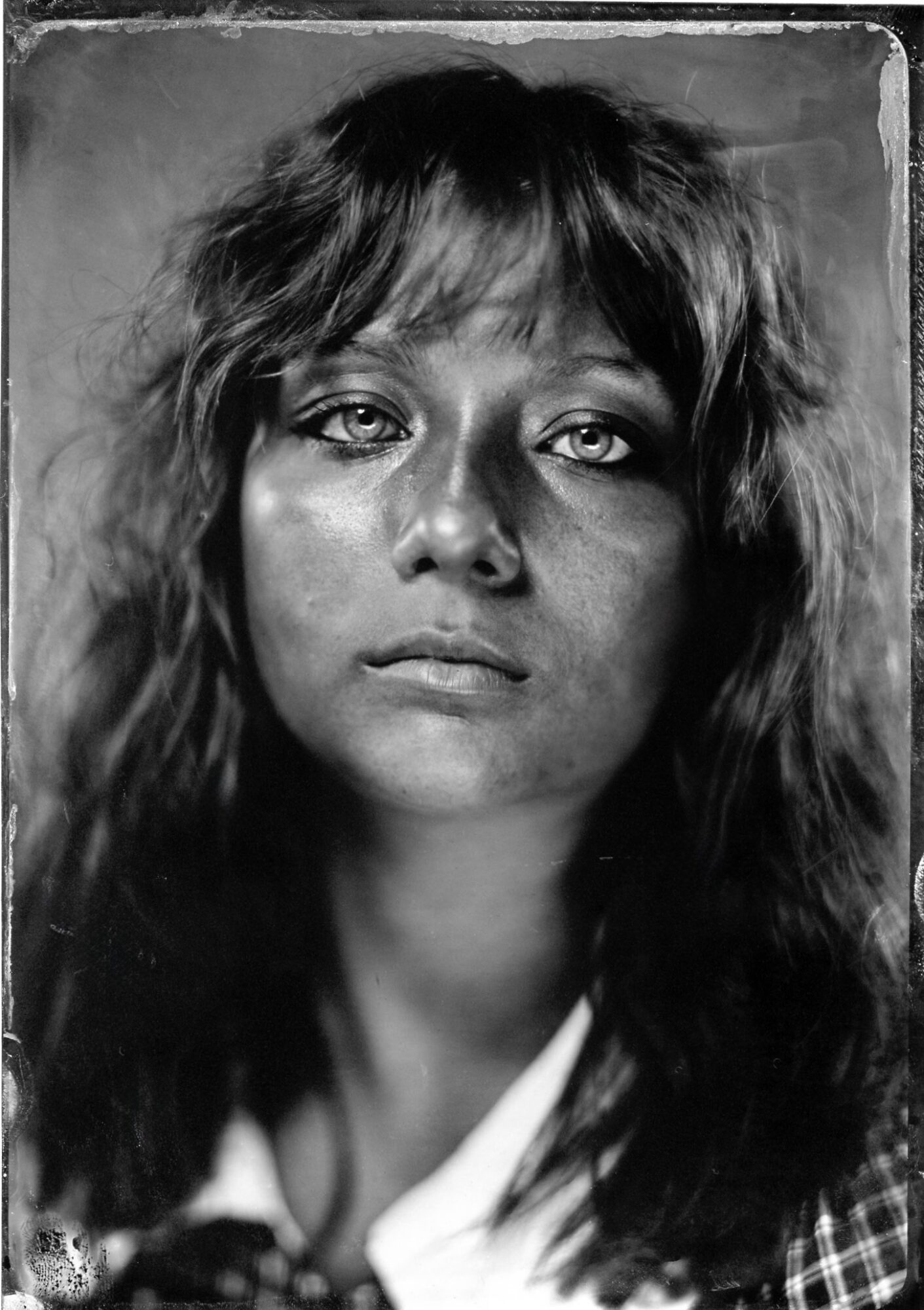
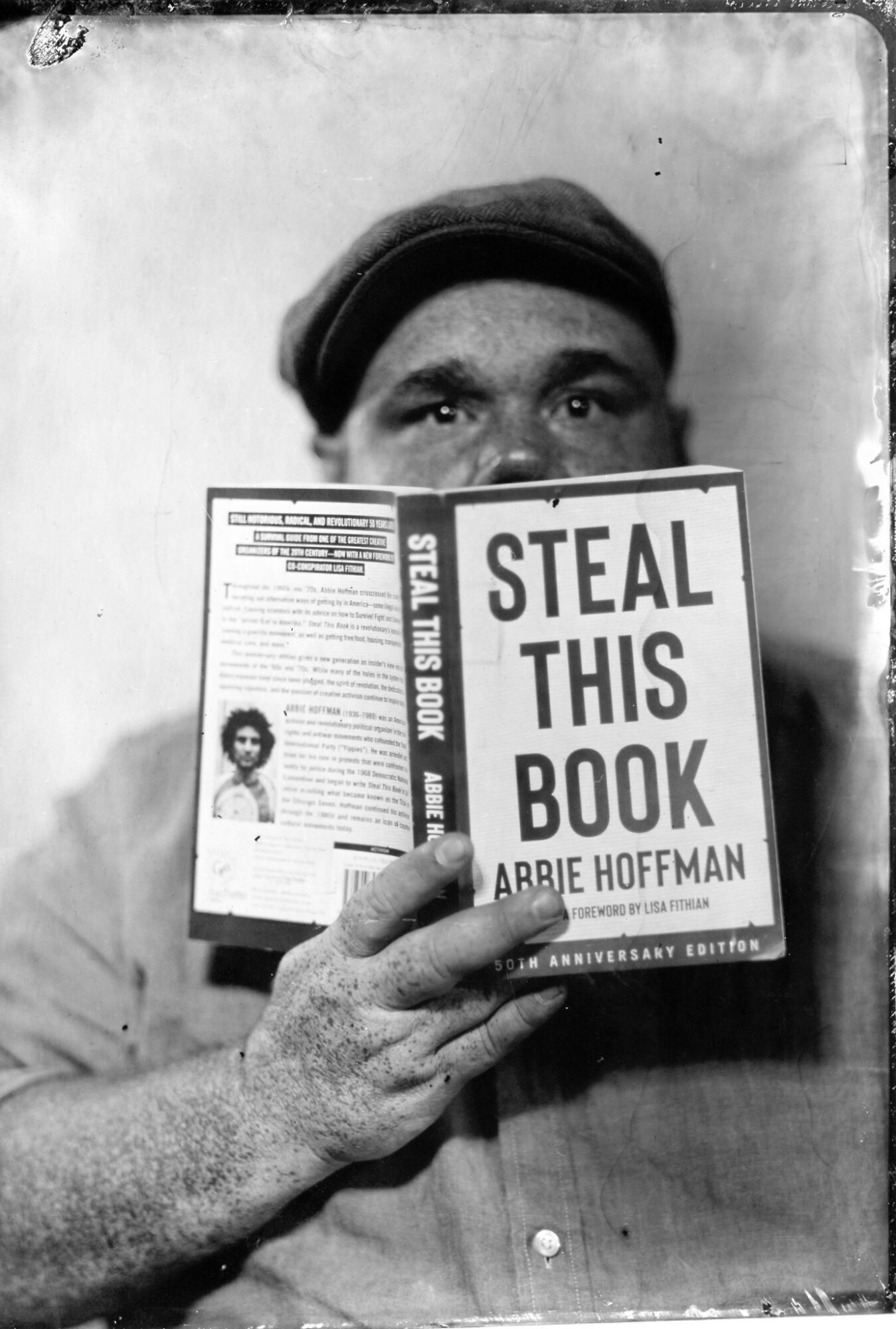
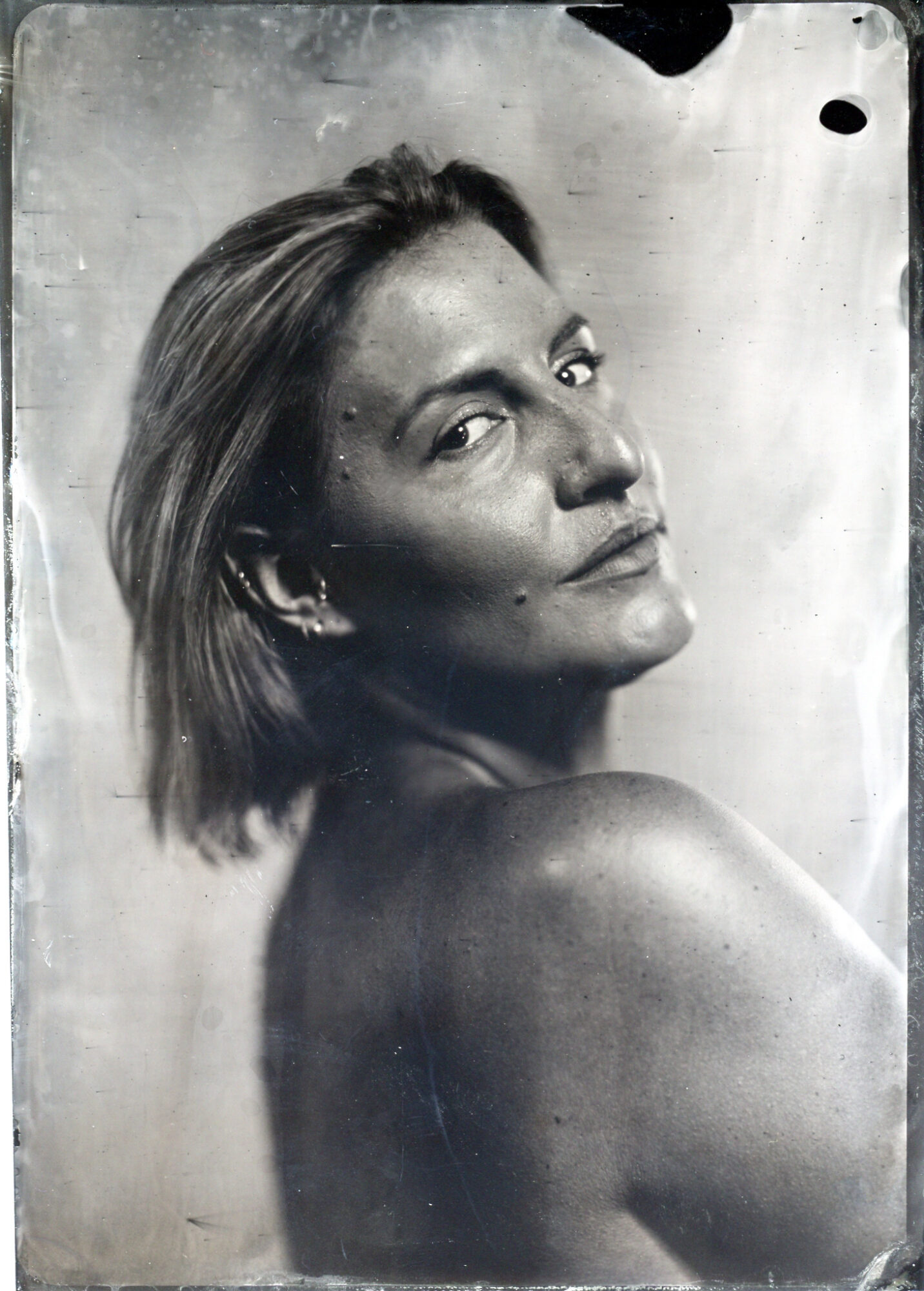
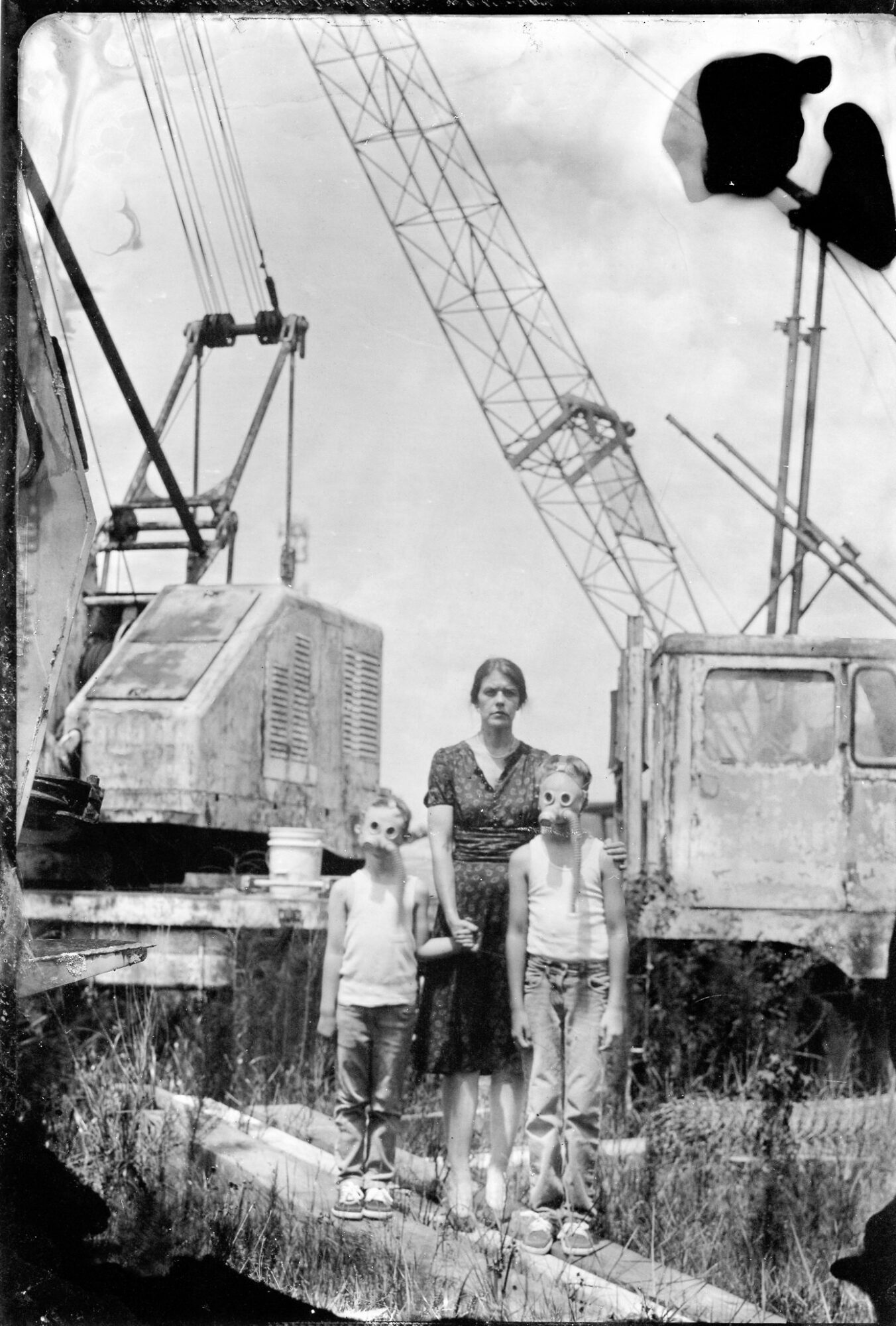
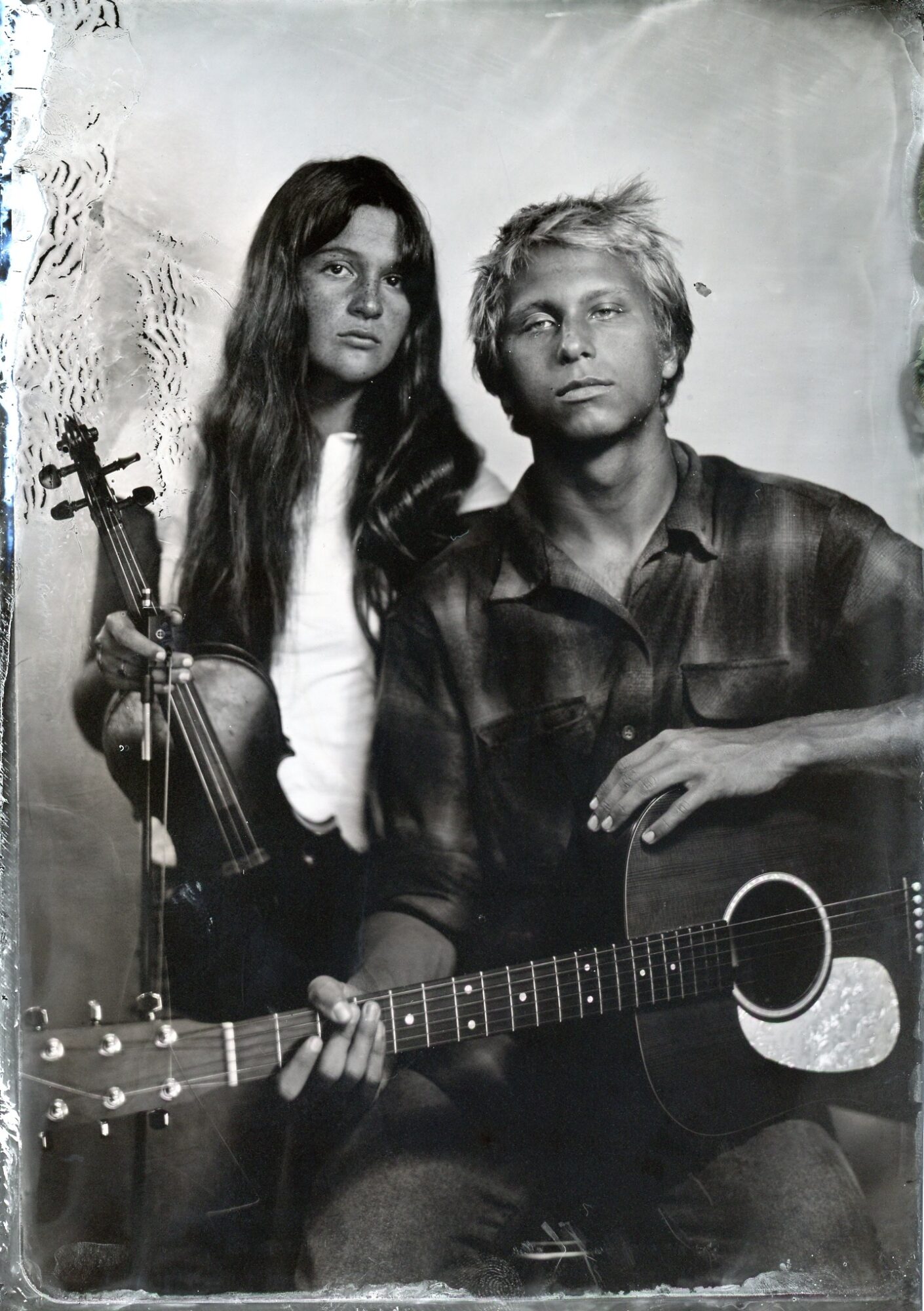
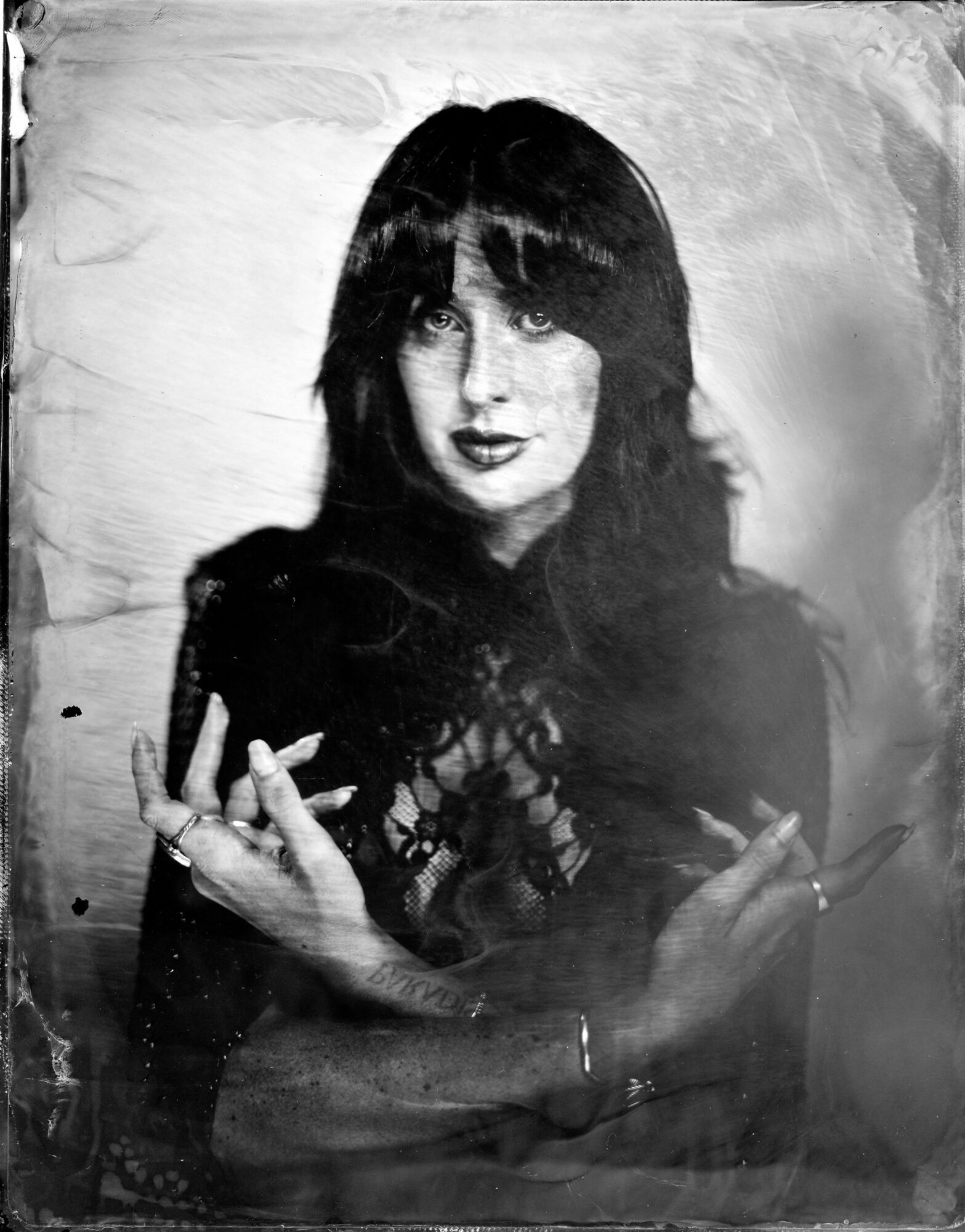
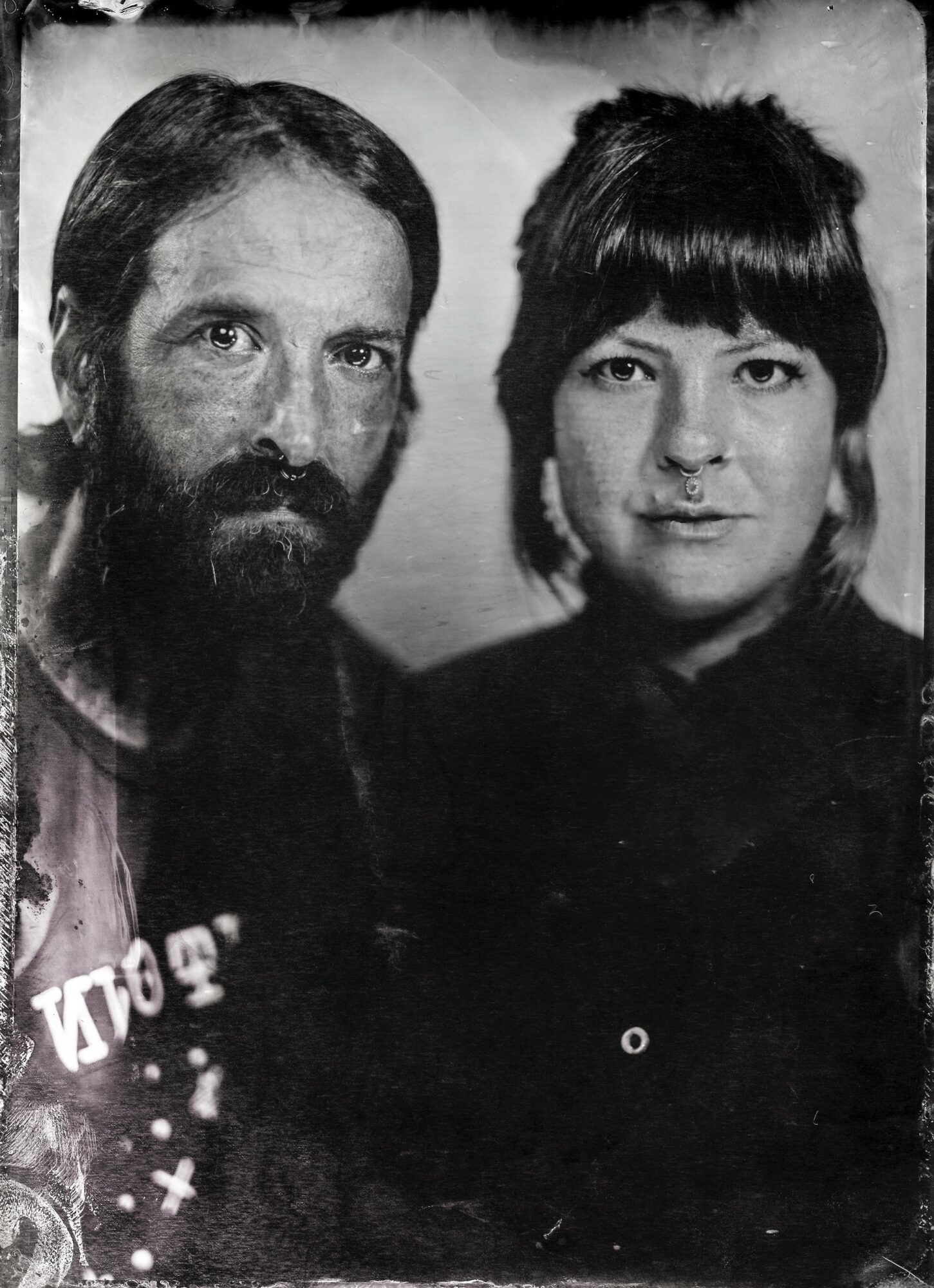
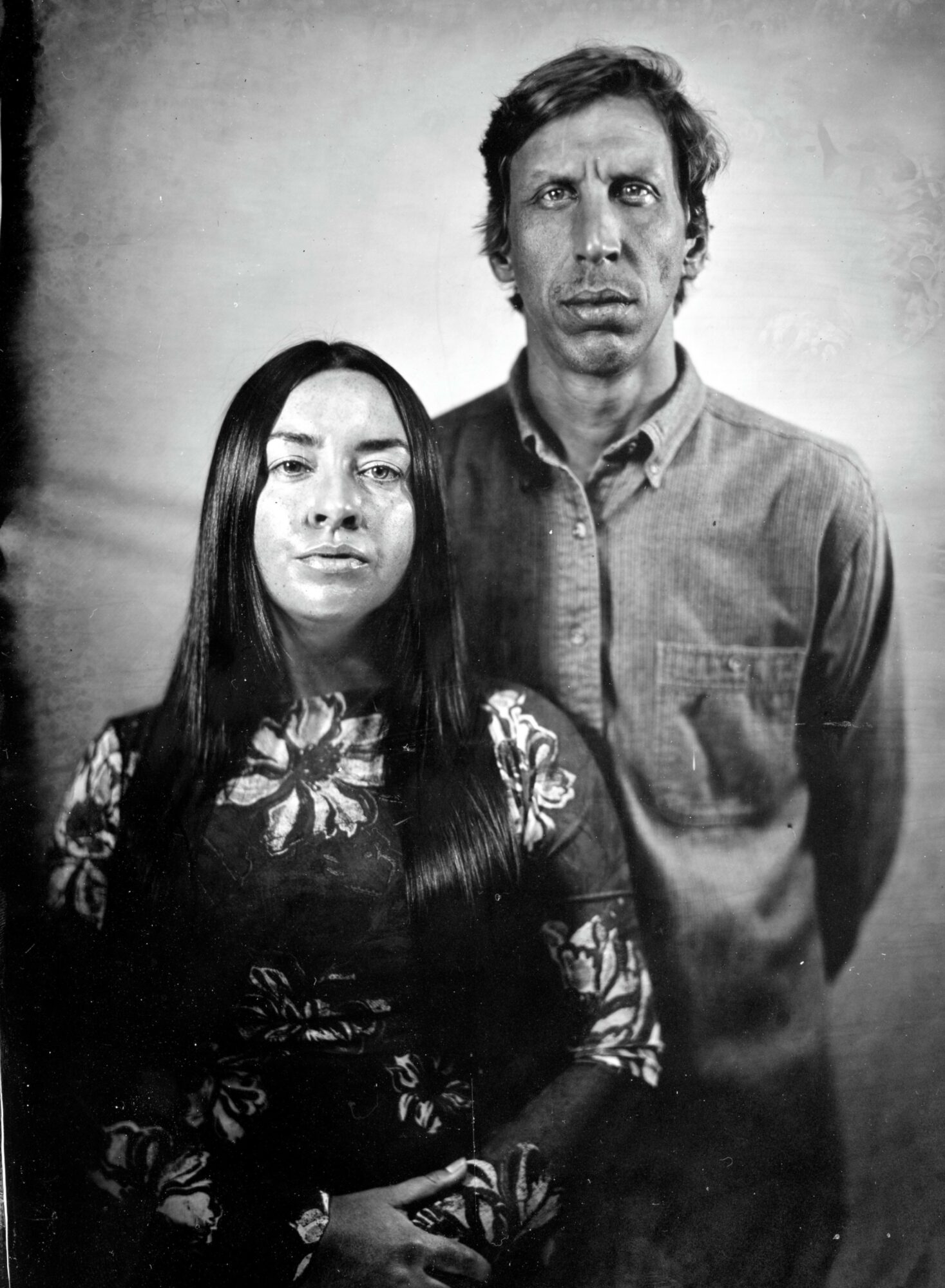
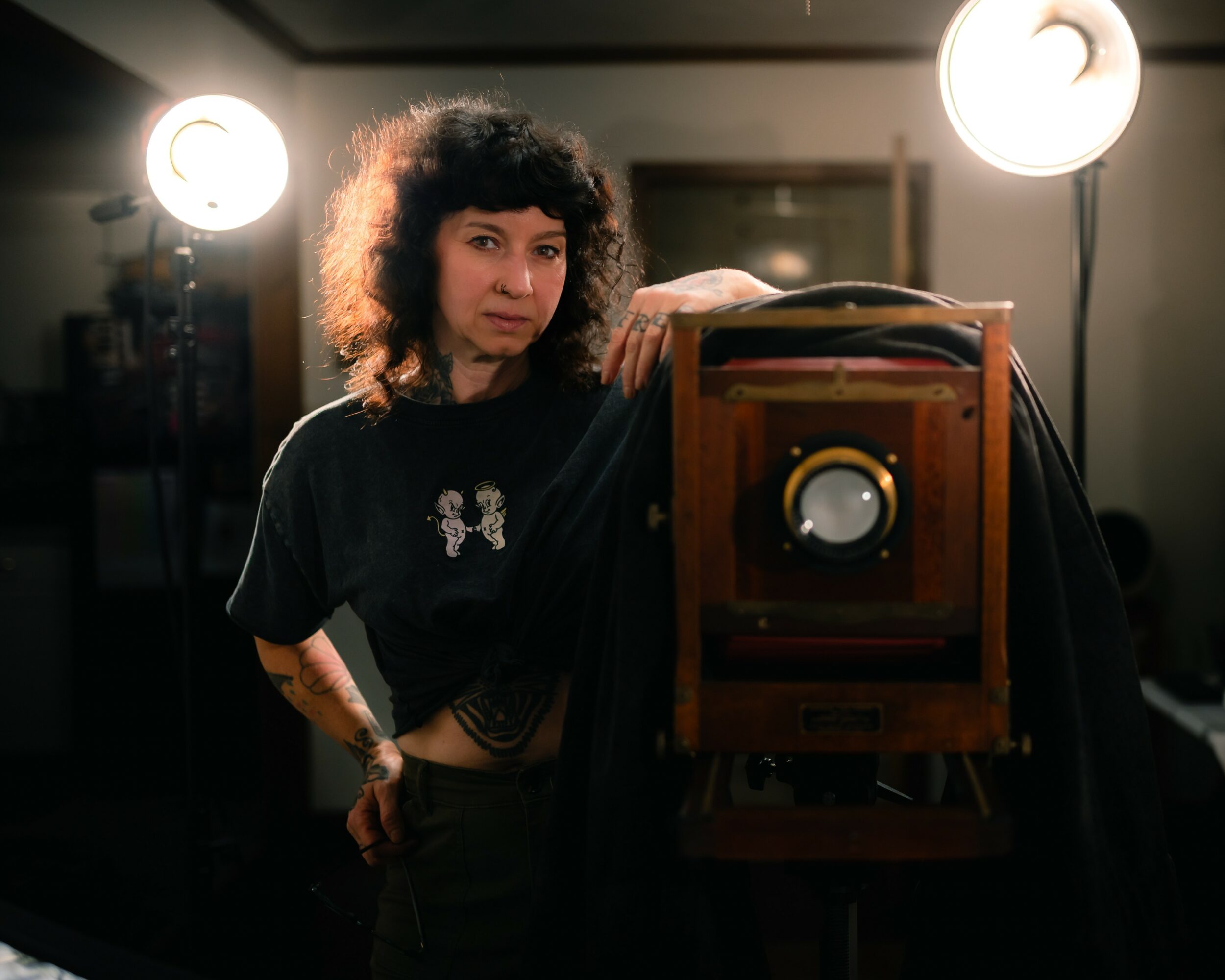
I’m known for capturing emotion, preserving history, and telling stories through abandonment. Early in my career, I became recognized for capturing the raw intensity of live music — that moment when energy and emotion collide on stage. Later, my work in abandoned and forgotten spaces earned attention for the way it told quiet stories of time, decay, and resilience. That exploration eventually shaped my first book, Abandoned Gary, Indiana: Steel Bones, which still feels like the heart of where my storytelling began.Now, my journey has evolved into something even more tactile and intentional, the art of wet plate photography. Through my new venture, Lightbox Alchemy, I specialize in creating modern tintype portraits using a 19th-century process. It’s a slow, deliberate craft that bridges past and present, allowing me to blend my love for history, imperfection, and authenticity. In many ways, Lightbox Alchemy feels like the natural continuation of everything I’ve done — still chasing light, still chasing stories, but now capturing them on metal.
What matters most to you? Why?
What means the most to me both in life and in my photography is authenticity. Tintypes are a true reflection of that. There’s no editing, no filters, no digital perfection, just raw, hand-crafted honesty. Each plate is created in a single moment, where light and contrast collide—and that’s what makes it beautiful. It reminds me to stay true to who I am, to embrace the contrast and the magic that comes with being human. In every portrait I create, my goal is to preserve a moment that can be passed down for generations.
Contact Info:
- Website: https://lightboxalchemy.com
- Instagram: @lightboxalchemy