






Today we’d like to introduce you to Emily Jean.
Hi Emily, thanks for sharing your story with us. To start, maybe you can tell our readers some of your backstory.
Before I ever stepped behind the chair professionally, I had lived through enough hard seasons to understand how deeply people need places of rest. When I built my salon, I wasn’t just creating a business — I was creating the space I once needed myself. A place of ease, quiet confidence, and emotional exhale. A place clients enter as they are and leave feeling restored, even if they can’t quite explain why.
My formal training began at Paul Mitchell the School in Tampa, where I’m originally from. I didn’t learn on mannequins — I learned on real people with real hair, real texture, real goals, and real emotions tied to their reflection. My instructors weren’t just teaching; they were actively developing cutting systems, color placement strategies, and styling techniques for all Paul Mitchell schools. These were the visionaries I was privileged to learn from.
That environment trained me to think as an artist and to understand the technical side of my craft — to see hair as a living canvas and adjust design elements such as shape, tone, movement, and balance to create tailored results rather than cookie-cutter trends. It formed the foundation of the way I work today: intentional, individualized, and rooted in truth.
One of the most important parts of my approach is how I work with clients during the consultation. Many people sit down and immediately hand over their power by saying, “You’re the expert — do whatever you think.” But I don’t take that power from them.
I give it back.
I want to know what they want to look like and what they want to feel like.
I want to know how they style their hair at home, how much time they realistically spend getting ready, and whether their habits can sustain the look they’re dreaming of. My job isn’t to impose my vision — it’s to understand theirs and then use my skills to create a game plan that fits their life, their texture, and their identity.
Every service. Every time.
But long before I opened Nola Salon, the most profound influence on my work came from my grandmother, Nola. When I told her I was going to cosmetology school, she handed me her 1920s Milady’s textbook — the same brand still used a century later — and told me:
“Always give a good shampoo. Even if the cut isn’t perfect, they’ll come back.”
She wasn’t really talking about the shampoo.
She was nudging me to put my focus where it mattered most.
Nola believed in tending to people with presence, intention, and gentleness. Her way of moving through the world — people first, always — is the legacy I carry in my salon’s name today.
When I created Nola Salon in Douglas, GA, my vision was simple: build a salon experience my way — calm, elevated, highly skilled, and deeply human. Not rushed. Not transactional. Not chaotic. Clients feel that most at the shampoo bowl, a moment I approach almost like a ritual. One gentleman walked back to my chair afterward and said, “I didn’t know I felt bad, but I feel better.”
That’s the Nola effect: the blend of professionalism, technical expertise, and a kind of maternal care that softens things people didn’t even know they were carrying.
Over time, my chair has become a safe place — for working moms, men wanting a refined grooming experience, women transitioning through life’s phases, and anyone needing an hour of reset disguised as a hair appointment. My work rises from one simple truth:
Take excellent care of people, and create beauty that reflects who they truly are.
My path wasn’t linear. It moved through reinvention, motherhood, resilience, and rebuilding from chapters that could have broken me — or worse, hardened me. Instead, they shaped me into someone who builds beauty from the inside out.
Today, Nola Salon stands as a testament that you can blend artistry, technical mastery, and deep care — and create something elevated without losing the heart of it. My grandmother taught me that, and every client who sits in my chair continues that legacy.
I’m sure it wasn’t obstacle-free, but would you say the journey has been fairly smooth so far?
One of the biggest challenges I faced was learning how to grow without betraying my values. In an industry that often rewards speed, volume, and overbooking, I chose a slower, more intentional model—one that prioritizes quality, boundaries, and truly seeing the client. Early on, that meant turning away “quick wins,” educating clients on why my process was different, and trusting that the right people would find me. Financially, emotionally, and mentally, that required a lot of resilience.
I also had to learn how to separate my personal story from my professional worth. Building a business while navigating major life transitions forced me to develop strong systems, clear communication, and emotional discipline. I had to become both creative and strategic—holding vision while learning cash flow, pricing, marketing, and leadership in real time.
Perhaps the hardest challenge was trusting myself as the authority. Stepping fully into ownership—of my time, my pricing, my standards—meant releasing people-pleasing and fear of judgment. But that challenge became the turning point. Once I led from clarity and confidence, everything else aligned: the clients, the growth, and the sustainability of the business.
As you know, we’re big fans of you and your work. For our readers who might not be as familiar what can you tell them about what you do?
At its core, my work is about trust. I help people feel at ease in their bodies and confident in their decisions by slowing the process down and putting collaboration first. I don’t believe in one-size-fits-all solutions—my work is tailored, thoughtful, and built around longevity.
I also see my work as stewardship. I’m intentional about the environment I create, the boundaries I model, and the way I show up as a business owner. The work extends beyond the service itself—it’s about creating a space where quality, integrity, and care are non-negotiable.
Risk taking is a topic that people have widely differing views on – we’d love to hear your thoughts.
For me, risk-taking meant trusting my intuition before the results were guaranteed. I chose to build a business around depth, presence, and boundaries in an industry that often glorifies burnout. I risked disappointing people by saying no to the way things are done industry-wide, slowing down, and redefining success on my own terms.
Those risks required courage—financially and emotionally—but they gave me something more valuable than fast growth: ownership. By betting on my vision instead of fear, I created a business that supports my life, not one that consumes it. I often say, “I don’t work for my business; I make my business work for me.”
Contact Info:
- Website: https://Nolasalon.GlossGenius.com
- Instagram: https://Instagram.com/nola.salon
- Facebook: https://Facebook.com/nolasalon23
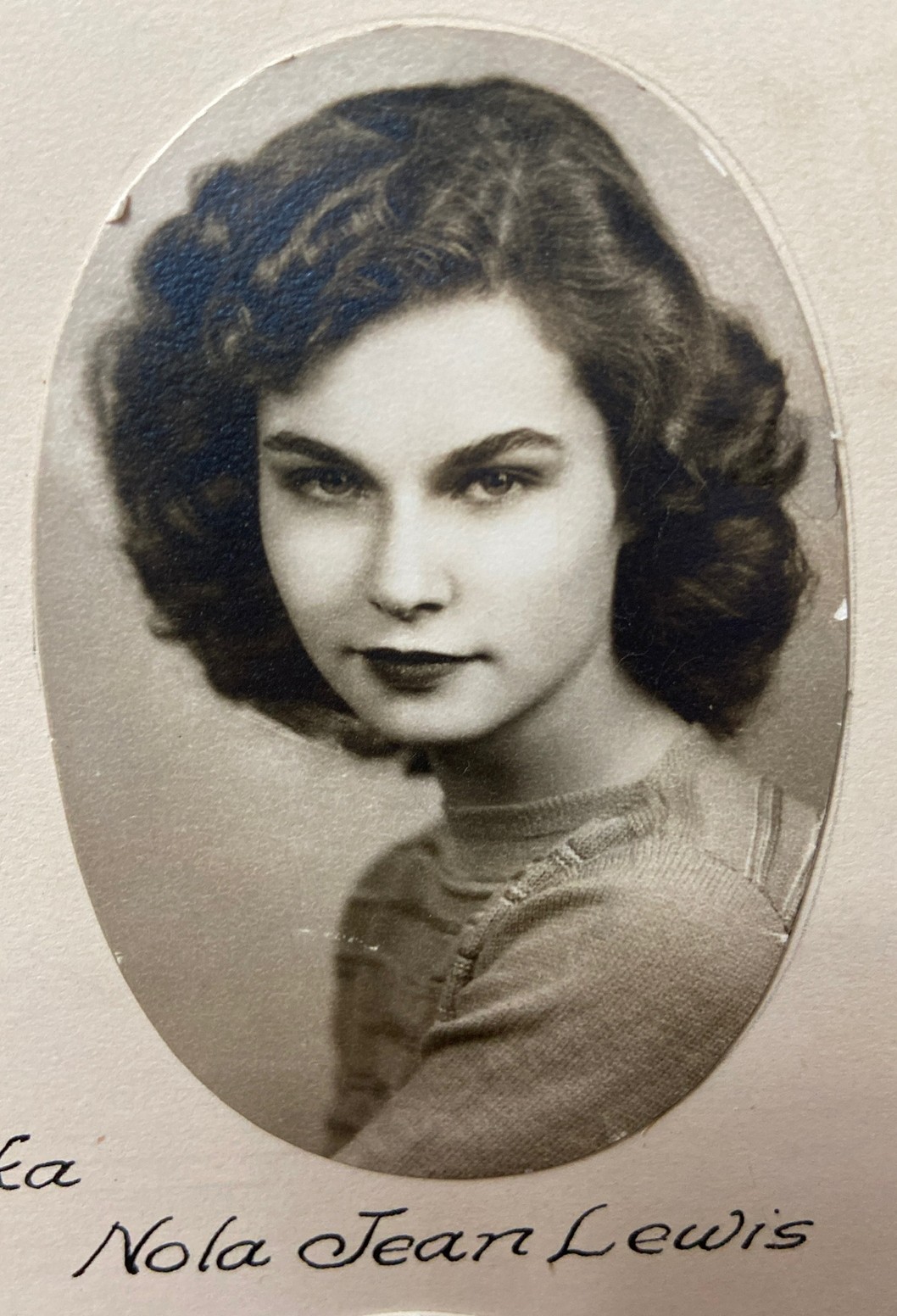


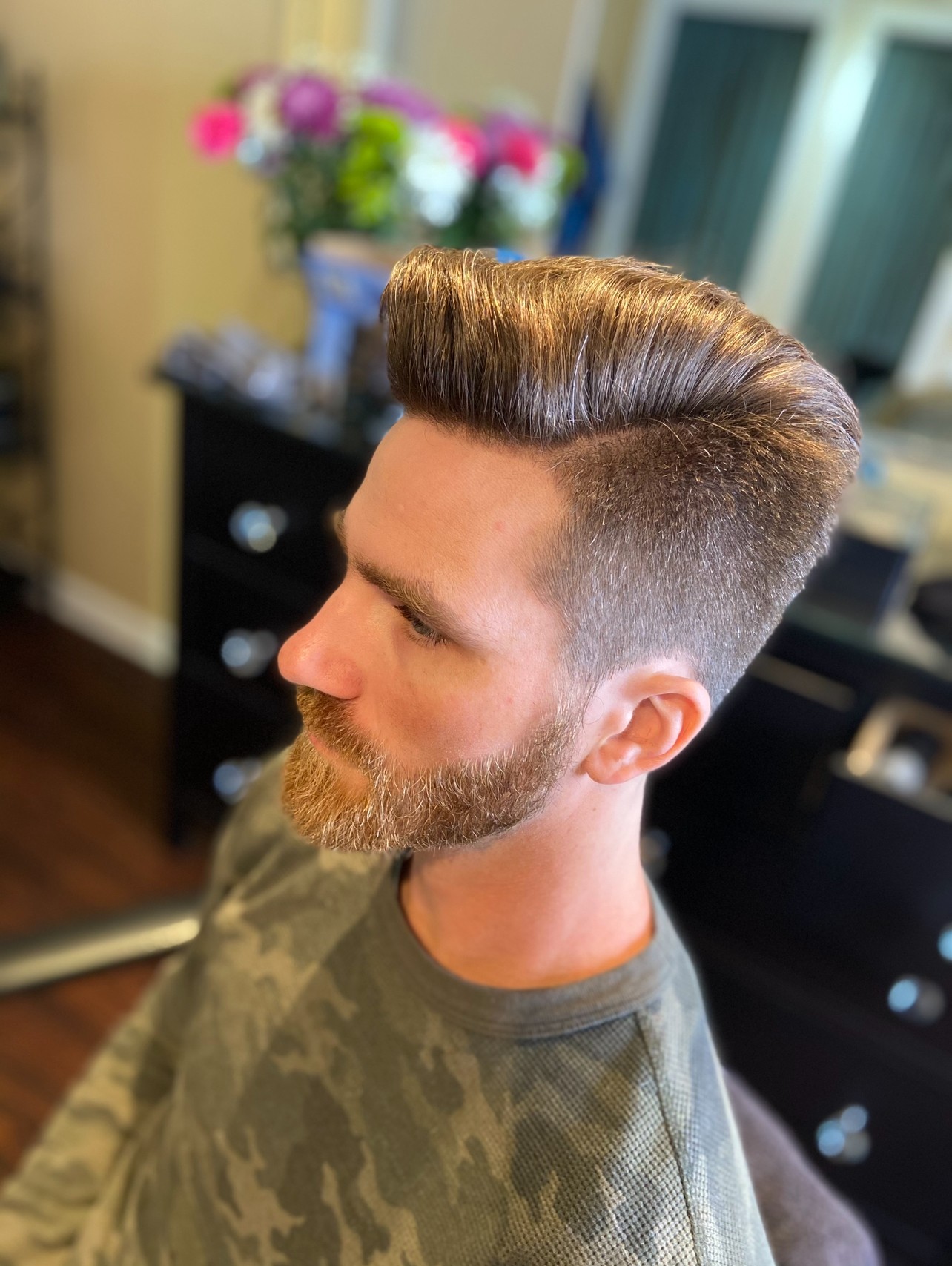
Image Credits
Personal photo: Emily Walker Photography